

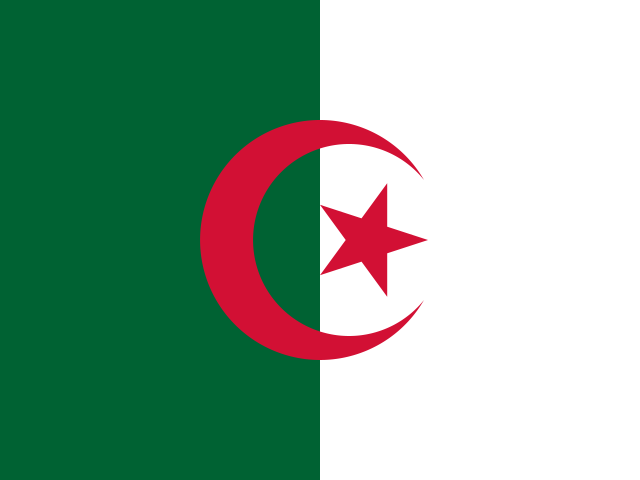
Algeria
Algeria's Direction Generale des Impots (DGI) administers personal income tax (IRG) at progressive 0-35 percent across five brackets, corporate income tax (IBS) at 19/23/26 percent by sector, and TVA at 19 percent standard. Hydrocarbon revenues dominate public finances via a separate Sonatrach framework. Cryptocurrency has been banned since 2018. Algeria has approximately 30 active bilateral tax treaties with no US-DZ DTA.
Tax authority: Direction Générale des Impôts (DGI)
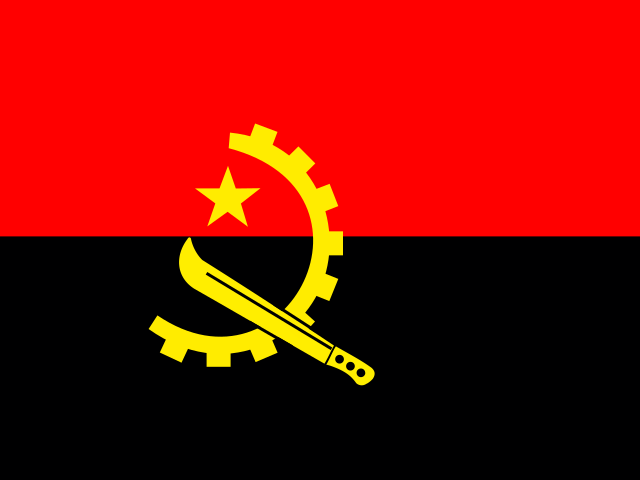
Angola
Angola's Administracao Geral Tributaria administers personal income tax through Imposto sobre Rendimento do Trabalho (IRT) at progressive rates 0-25 percent across nine bands and corporate income tax (Imposto Industrial) at 25 percent flat. VAT (IVA) at 14 percent following 2019 reform replacing Imposto de Consumo. Kwanza-denominated tax base; petroleum sector has separate elevated framework.
Tax authority: Administração Geral Tributária (AGT)
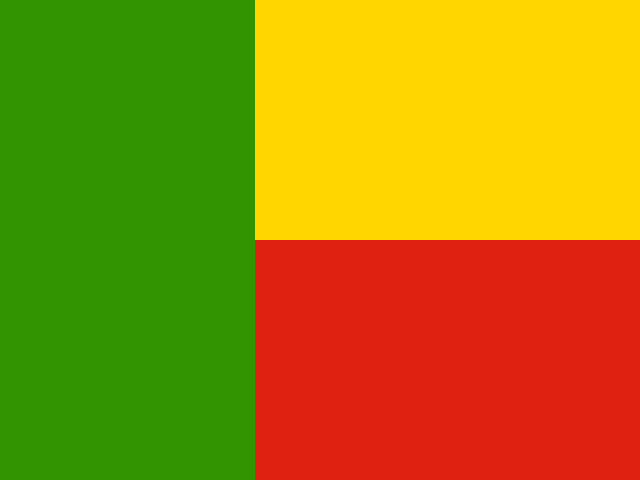
Benin
Benin's Direction Générale des Impôts (DGI) administers the tax system. Personal income tax (IRPP/ITS) is progressive across six brackets up to 35%. Corporate income tax (IS) is 30% standard, with reduced rates of 25% for SMBs, 15% for agriculture, and 5% for export-processing zones. VAT (TVA) is 18% under UEMOA harmonisation. The currency is the West African CFA Franc (XOF), pegged to EUR at 655.957. Benin has approximately five to ten active double tax treaties — no US-BJ treaty exists.
Tax authority: Direction Générale des Impôts et des Domaines (DGID)
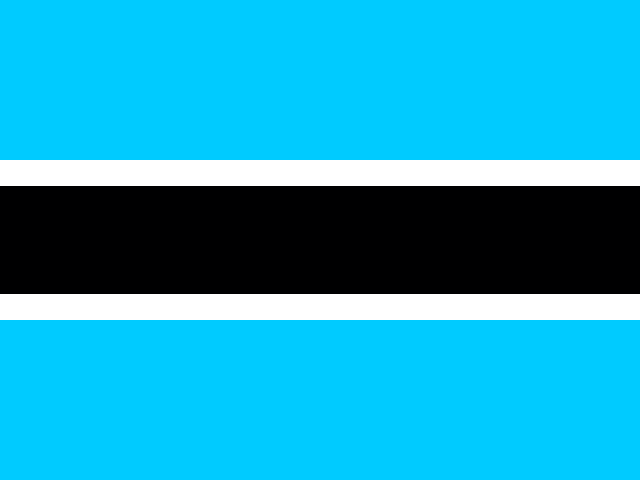
Botswana
Botswana's Botswana Unified Revenue Service (BURS) administers the tax system. Personal income tax runs 0–25% across five brackets. The standard corporate rate is 22%; IFSC-licensed and manufacturing entities pay 15%. VAT is 12%. The tax year runs July 1 to June 30 — a non-calendar fiscal year. Botswana has approximately 17 active double tax agreements; there is no US-Botswana treaty. Botswana is a SACU and SADC member and one of Africa's most stable economies, anchored by diamond-export revenues from the Debswana joint venture.
Tax authority: Botswana Unified Revenue Service (BURS)
Burkina Faso
Burkina Faso's Direction Générale des Impôts (DGI) administers the tax system. Personal income tax (IUTS) is progressive across seven brackets up to 25%. Corporate tax (IS/BIC) is 27.5% standard, with a separate régime minier for mining. VAT (TVA) is 18%. The currency is the West African CFA Franc (XOF), pegged to EUR at 655.957 under the UEMOA monetary union. Burkina Faso has approximately six active double tax treaties — no US-BF treaty exists.
Tax authority: Direction Générale des Impôts (DGI)
Burundi
Burundi's Office Burundais des Recettes (OBR) runs the tax system. Personal income tax (Impot Professionnel sur les Remunerations, IPR) is progressive at 0%, 20%, and 30%. Corporate income tax (Impot sur les Benefices, IB) is 30% flat. TVA is 18% with a 10% reduced rate. Burundi has roughly 6 active bilateral tax treaties. It is a member of the East African Community (EAC), COMESA, and AfCFTA.
Tax authority: Office Burundais des Recettes (OBR)
Cabo Verde
Cabo Verde's Direcção Nacional de Receitas do Estado (DNRE) administers personal income tax (IRPS) at progressive rates of 16.5%, 23.1%, and 27.5%. Corporate income tax (IRPC) is 22% standard, 15% for qualifying SMEs, and effectively 2.5% for International Business Center (IBC) operators. IVA (VAT) is 15%. The Cape Verdean Escudo (CVE) is pegged to the Euro at CVE 110.265 — not the West African CFA Franc. Cabo Verde has approximately 8 active double-tax agreements; the OECD MLI is signed but Pillar Two is not yet adopted.
Tax authority: Autoridade Tributária e Aduaneira (AT)
Cameroon
Cameroon's Direction Générale des Impôts (DGI), under the Ministère des Finances, administers personal income tax (IRPP) at progressive 10–35% across four brackets (combined headline 11–38.5% including the 10% centimes additionnels surcharge) and corporate income tax (IS) at 33% (30% + 10% surcharge). TVA is 19.25% (CEMAC 17.5% + 10% surcharge). Cameroon is the largest CEMAC economy (~40% of CEMAC GDP) and the only African country with a dual legal system: civil law applies in 8 francophone regions and English common law in 2 Anglophone regions (Northwest and Southwest). Currency is the Central African CFA Franc (XAF), pegged to the euro at 655.957 via the BEAC monetary union.
Tax authority: Direction Générale des Impôts (DGI)
Central African Republic
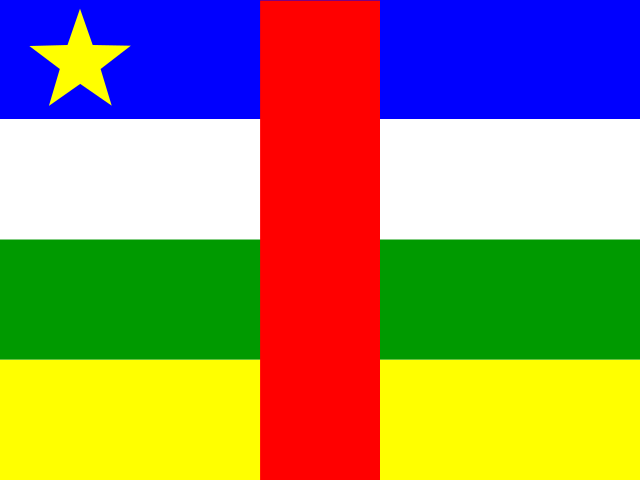
Central African Republic's Direction Générale des Impôts (DGI) administers personal income tax (IRPP) at progressive 0–35% across six brackets and corporate income tax (IS) at 30% flat. TVA is 19% under CEMAC harmonization. CAR briefly adopted Bitcoin as legal tender in April 2022 — the world's second country to do so — before reversing under CEMAC and IMF pressure. Currency is the Central African CFA Franc (XAF), pegged to the euro at 655.957 via the BEAC monetary union.
Tax authority: Direction Générale des Impôts et des Domaines (DGID)
Chad
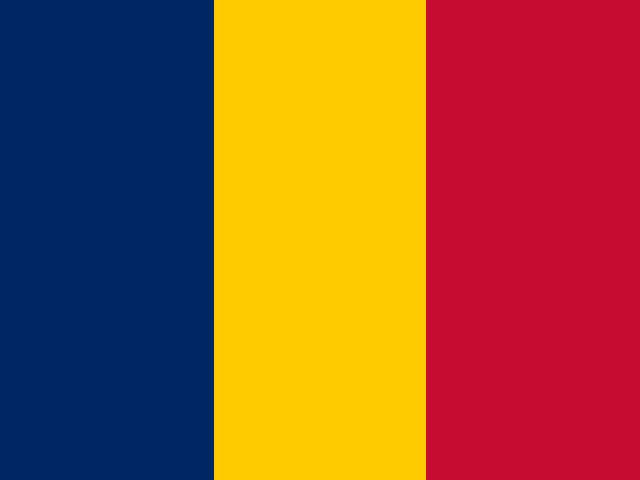
Chad's Direction Generale des Services des Impots administers personal income tax (IRPP) at progressive 0-30 percent across multiple bands and corporate income tax (Impot sur les Societes) at 35 percent flat (40 percent oil/gas; 60 percent traders' regime). VAT (TVA) at 18 percent under CEMAC framework. CEMAC, OHADA, and AfCFTA member with francophone tax tradition. Petroleum-sector concentration creates significant elevated-framework complexity.
Tax authority: Direction Générale des Impôts (DGI)
Comoros
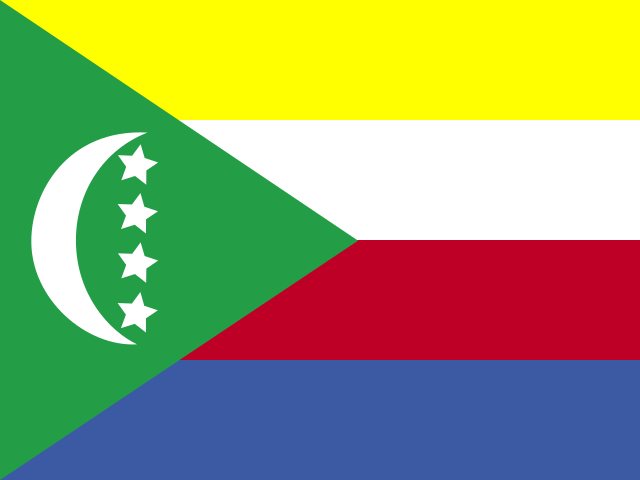
Comoros's Direction Générale des Impôts (DGI) administers the tax system. Personal income tax (Impôt Général sur le Revenu) runs in progressive brackets 0%–30%. Corporate tax (Impôt sur les Sociétés) is 35% flat, rising to 50% for telecoms. No general VAT — a consumption-tax framework covers specified categories. The Comorian Franc (KMF) is pegged to the euro at exactly 491.96775 KMF per EUR since 1999, with France guaranteeing convertibility via the Banque de France. Comoros has one known bilateral DTA (with UAE). A significant diaspora of ~300,000+ in France means remittances are the top foreign-exchange earner. Comoros is an AU, Arab League, COMESA, IOC, OHADA, and AfCFTA member.
Tax authority: Direction Générale des Impôts et des Domaines (DGID)
Congo
The Republic of the Congo (Congo-Brazzaville) is administered by the Direction Generale des Impots et des Domaines (DGID) under the Ministere des Finances et du Budget. Personal income tax (IRPP) runs at progressive 1/10/25/40 percent across four brackets. Corporate income tax (Impot sur les Societes) is 28 percent standard; the oil sector operates under Production Sharing Agreements with separate negotiated rates. TVA is 18.9 percent (CEMAC-harmonised). The Republic of the Congo joined OPEC in 2018 — oil accounts for roughly 50 percent of GDP. Capital Brazzaville sits on the opposite bank of the Congo River from Kinshasa (Democratic Republic of the Congo — a separate country). The XAF (Central African CFA Franc) is pegged to the euro at 655.957 through the CEMAC monetary union governed by BEAC.
Tax authority: Direction Générale des Impôts et des Domaines (DGID)
Congo (Democratic Republic)
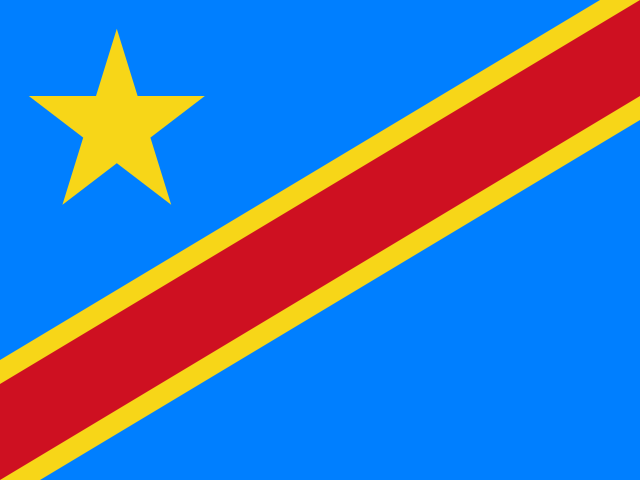
The Democratic Republic of the Congo's Direction Générale des Impôts (DGI) runs the tax system. Personal income tax (IPR — Impôt sur les Revenus Professionnels) is progressive at 3%, 15%, 30%, and 40% across four brackets. Corporate income tax (IB — Impôt sur les Bénéfices) is 30% standard. Mining sector companies operate under the separate Code Minier 2018 framework with higher royalties and a super-profits tax on cobalt and copper — the world's largest cobalt producer (~70% of global supply). TVA is 16% standard. The DRC has approximately 5 active bilateral tax treaties and no US-DRC DTA. The DRC is distinct from the neighbouring Republic of the Congo (Congo-Brazzaville, country code CG) — these are often confused.
Tax authority: Direction Générale des Impôts (DGI)
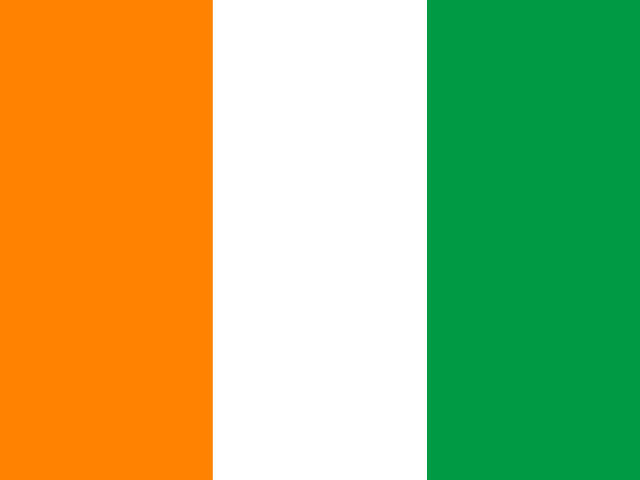
Côte d'Ivoire
Côte d'Ivoire's Direction Générale des Impôts (DGI) runs the tax system. Personal income tax (IRPP) has eight progressive brackets from 0% to 35%. Corporate income tax (BIC) is 25% standard (30% for telecoms/IT). TVA (VAT) is 18% — the UEMOA harmonised rate. Côte d'Ivoire has around 15-20 active bilateral tax treaties and has signed the OECD MLI. XOF (West African CFA Franc) is the currency, pegged to EUR at 655.957, shared with seven UEMOA partners. The country is the world's largest cocoa producer, supplying roughly 40% of global output.
Tax authority: Direction Générale des Impôts (DGI)
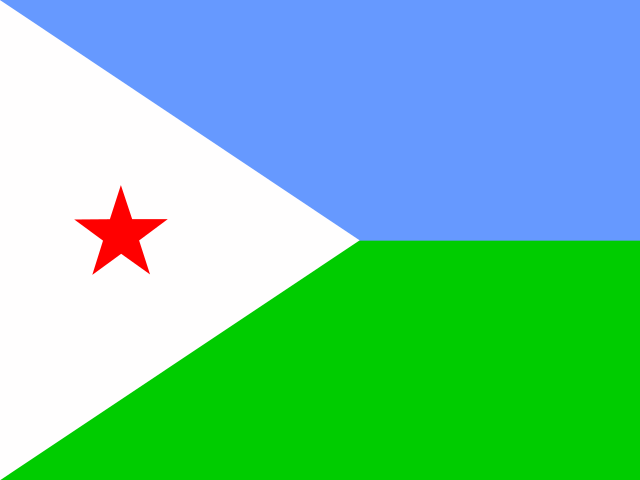
Djibouti
Djibouti's Direction Generale des Impots (DGI) runs the tax system. Personal income tax (IRPP) is progressive at 0% through 30% across eight brackets. Corporate income tax (IS/BIC) is 25% standard. Free Zone operators enjoy a 50-year IS exemption. TVA is 10% — one of Africa's lowest VAT rates. The Djiboutian Franc (DJF) has been pegged at 177.721 per USD since 1949 under a strict Currency Board. Djibouti hosts the US Camp Lemonnier plus French, Chinese, Japanese, and Italian military bases and is the primary port gateway for landlocked Ethiopia.
Tax authority: Direction Générale des Impôts et des Domaines (DGID)
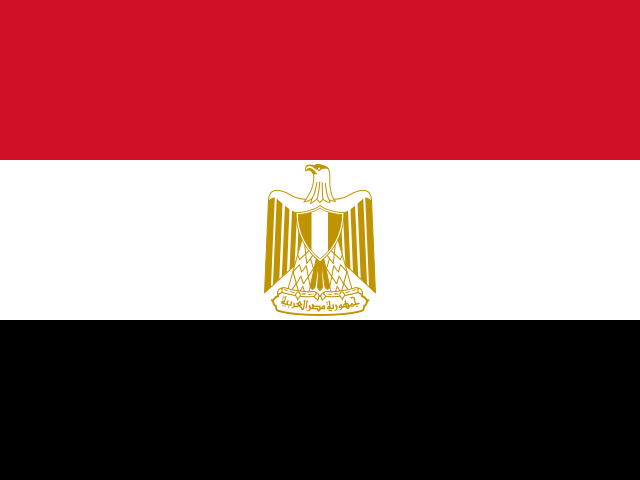
Egypt
Egypt's Egyptian Tax Authority (ETA) administers a progressive personal income tax across seven brackets (0%–27.5%), a standard corporate income tax of 22.5% (with 40.55% for oil and gas), and VAT at 14%. Egypt has approximately 60 active double tax treaties, including a US–Egypt treaty in force since 1980. The EGP depreciated roughly 300% between 2022 and 2024 under an IMF Extended Fund Facility programme. The Suez Canal Authority faces a dedicated 40% rate.
Tax authority: Egyptian Tax Authority (ETA)
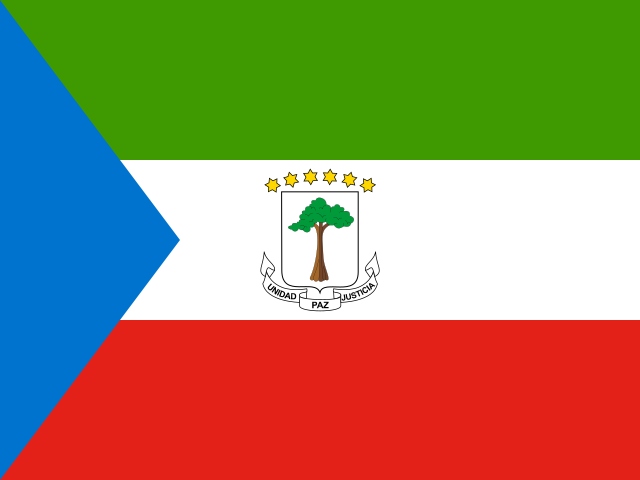
Equatorial Guinea
Equatorial Guinea's Dirección General de Impuestos (DGI), under the Ministerio de Hacienda, administers the tax system. Personal income tax (IRPF) runs on a progressive eight-bracket schedule from 0% to 35%. Corporate income tax (IS) is 35% flat; the oil and gas sector operates under separate Production Sharing Agreement frameworks. VAT (IVA) is 15% — distinct from the 19% CEMAC-harmonized norm used by most peers. Currency is the Central African CFA Franc (XAF), issued by the BEAC under CEMAC. Equatorial Guinea has approximately five active DTAs; there is no US-GQ treaty. The country joined OPEC in 2017 and relies on hydrocarbons for roughly 80% of GDP. Equatorial Guinea is the only African country with Spanish as its primary official language.
Tax authority: Ministerio de Hacienda y Presupuestos (Dirección General de Impuestos)
Eritrea
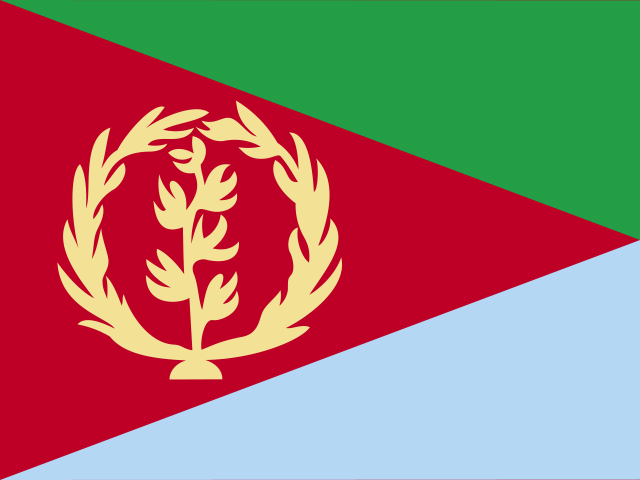
Eritrea's Inland Revenue Department administers personal income tax at progressive 2%–40% across 12 brackets and corporate income tax at 30% flat (38% for mining). No general VAT — sales tax by category. Eritrea is one of only two countries globally (alongside the United States) that taxes its citizens abroad on worldwide income: the 2% Recovery and Rehabilitation Tax applies to Eritrean nationals resident outside Eritrea. Treaty network is effectively 0–2 active DTAs. UN sanctions (2009–2018, partially lifted) and ERN currency controls create significant cross-border complexity.
Tax authority: Inland Revenue Department (IRD)
Eswatini
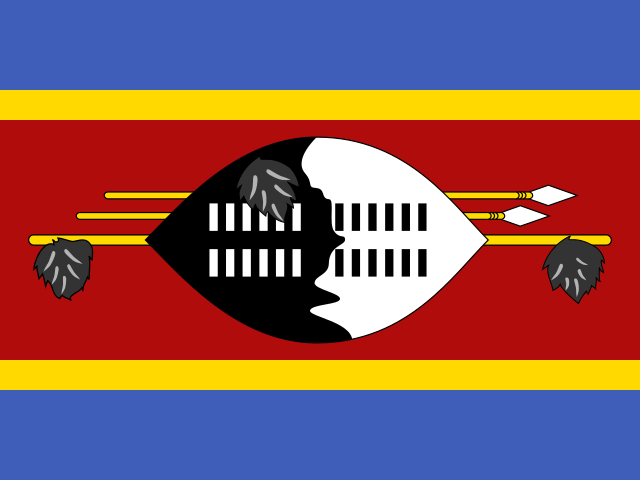
Eswatini's Eswatini Revenue Service administers personal income tax at progressive 0-33 percent across multiple bands and corporate income tax at 27.5 percent flat (post-2025 reduction from 27.5 percent; previously 30 percent through 2023). VAT at 15 percent. SADC, SACU, COMESA, and CMA member with anglophone tax tradition.
Tax authority: Eswatini Revenue Service (ERS)
Ethiopia
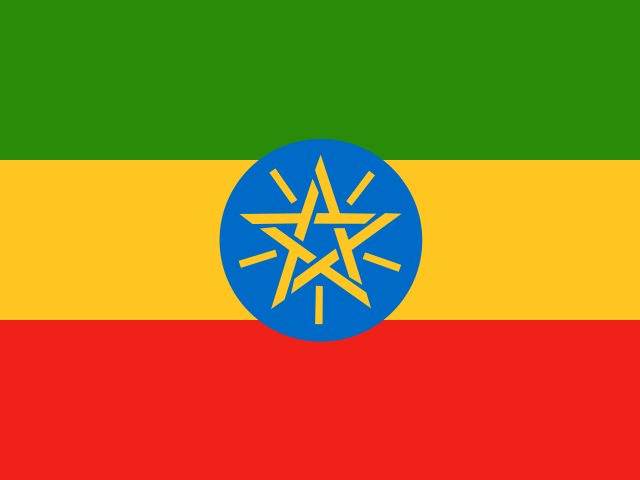
Ethiopia's Ministry of Revenue (MoR) administers the tax system. Personal income tax (Schedule A employment) runs from 0% to 35% across seven brackets. Corporate income tax is 30%. VAT is 15%; non-registered businesses pay Turnover Tax at 2% on goods or 10% on services. Ethiopia operates on a non-calendar Ethiopian fiscal year (July 8 – July 7). The Ethiopian Birr (ETB) underwent a major IMF-triggered float liberalisation in 2024. Ethiopia holds approximately 30 active double tax treaties; no US-Ethiopia DTA exists. Ethiopia is the seat of the African Union.
Tax authority: Ethiopian Tax and Customs Authority (ERCA)
Gabon
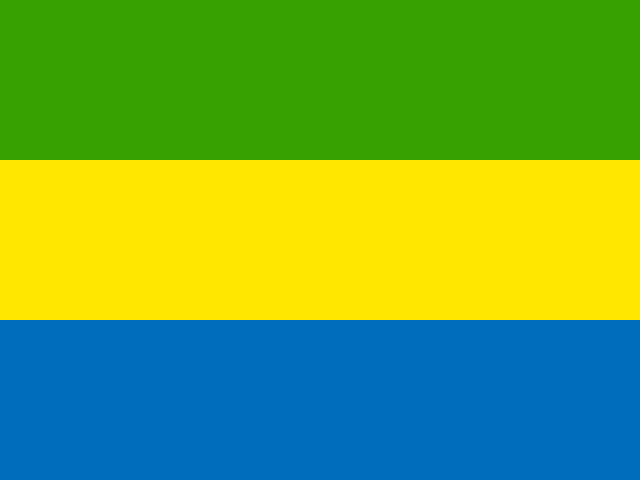
Gabon's Direction Générale des Impôts (DGI) runs the tax system. Personal income tax (IRPP) is progressive across 7 brackets up to 35%. Corporate tax (IS) is 30% standard; the oil and petroleum sector operates under a separate Production Sharing Agreement framework with higher rates. TVA is 18% (CEMAC harmonized). Gabon has around 11 active bilateral tax treaties. The XAF franc is pegged to the euro via CEMAC. Oil dominates — roughly 40% of GDP — and Gabon is an OPEC member since 1975.
Tax authority: Direction Générale des Impôts (DGI)
Gambia
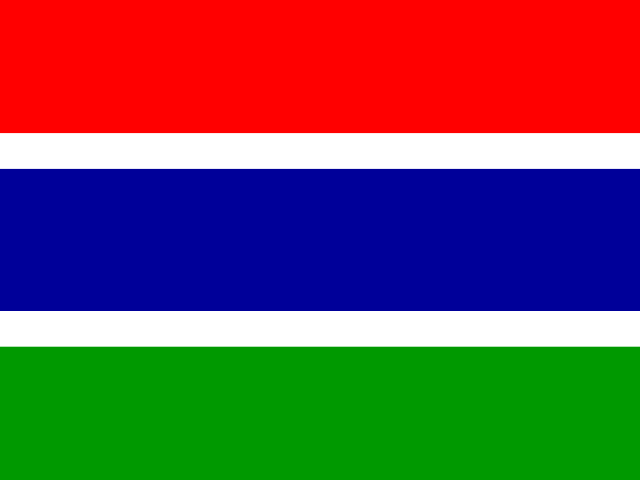
The Gambia's Gambia Revenue Authority (GRA) administers the tax system. Personal income tax is progressive at 0%–25% across six brackets. Corporate tax is 27% standard with a 1.5% turnover minimum tax — companies pay whichever is higher. VAT is 15%. The Gambia has approximately 5 active bilateral tax treaties and no treaty with the United States. The Gambia is completely surrounded by Senegal except for a small Atlantic coastline, making it the smallest mainland African country and creating unique cross-border tax considerations.
Tax authority: Gambia Revenue Authority (GRA)
Ghana
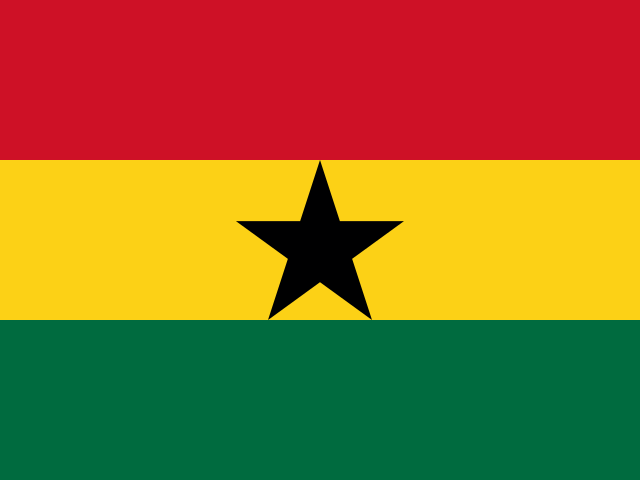
Ghana's Ghana Revenue Authority (GRA) administers personal income tax at progressive 0–35 percent across seven brackets. Corporate income tax is 25 percent standard, 35 percent for mining and petroleum, and 8 percent for manufacturing and free zones. VAT is 15 percent, but the GETFund Levy (2.5 percent), NHIL (2.5 percent), and COVID Recovery Levy (1 percent) produce an effective combined burden of roughly 21 percent on VAT-able supplies. Ghana has approximately 13 active double-tax treaties. The 2022 E-Levy on mobile-money transfers was highly controversial. Ghana hosts the AfCFTA secretariat in Accra and overtook South Africa as Africa's top gold producer in 2018.
Tax authority: Ghana Revenue Authority (GRA)
Guinea
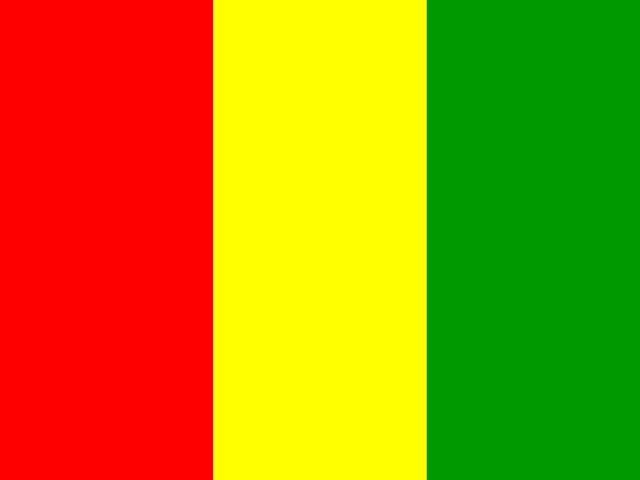
Guinea's Direction Nationale des Impots (DNI) runs the tax system. Personal income tax (IRPP) is progressive across seven brackets from 0% to 40%. Corporate tax (BIC) is 35% flat, with a reduced 15% for the mining-export sector. TVA (VAT) is 18%. Guinea has approximately 4 active double tax treaties and maintains an independent currency (GNF) outside both CFA franc zones. The country is the world's leading bauxite exporter and is developing the Simandou iron-ore megaproject. Guinea has been under a transitional government following the September 2021 military coup and is currently suspended from ECOWAS.
Tax authority: Direction Nationale des Impôts (DNI)
Guinea-Bissau
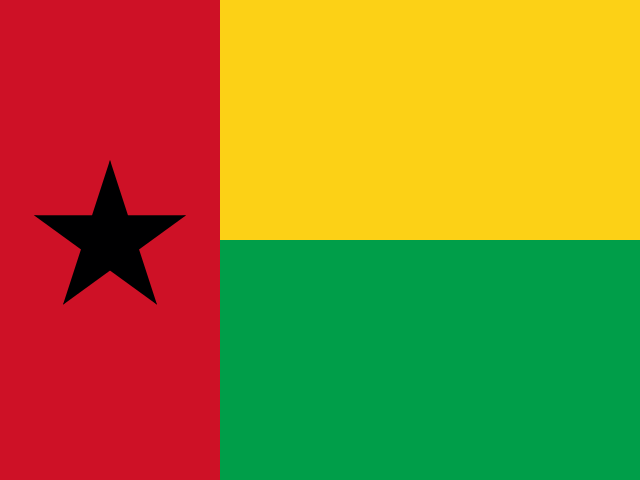
Guinea-Bissau's Direccao Geral das Contribuicoes e Impostos (DGCI) administers personal income tax (IRP) at progressive rates of 5% through 30% across six brackets and corporate tax (IAS) at 25% flat. IVA (VAT) is 15% — distinct from the UEMOA-harmonized 18% rate used by most monetary union peers. The West African CFA Franc (XOF) is the currency, pegged to the Euro at XOF 655.957 via the BCEAO/UEMOA monetary union. Guinea-Bissau has approximately 3-5 active double-tax agreements including a colonial-heritage anchor with Portugal. No US-GW DTA exists. OECD MLI not signed; Pillar Two not adopted.
Tax authority: Direcção Geral das Contribuições e Impostos (DGCI)
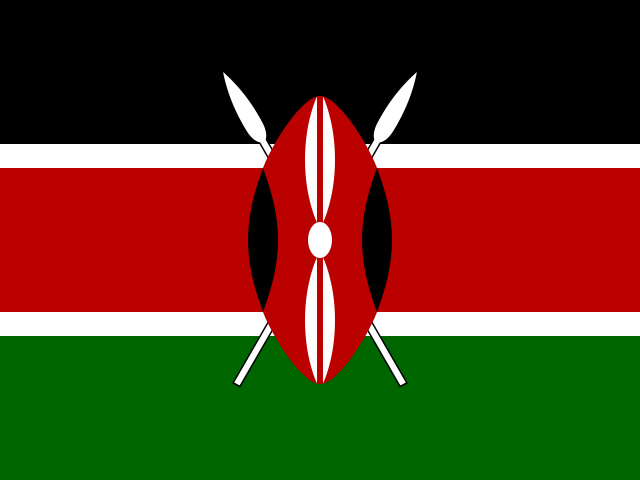
Kenya
Kenya's Kenya Revenue Authority (KRA) runs the tax system via the iTax portal. Personal income tax is progressive across five bands (10% to 35% top rate) with Affordable Housing Levy (1.5%) and SHIF (2.75%) on top. Corporate tax is 30% for resident companies and 37.5% for non-resident branches. VAT is 16% standard. Kenya has around 14 active bilateral tax treaties and was one of Africa's first jurisdictions to formally tax crypto — Digital Asset Tax at 3% on gross transfer value launched in 2023, revised to 15% CGT on net gains from December 2024.
Tax authority: Kenya Revenue Authority (KRA)
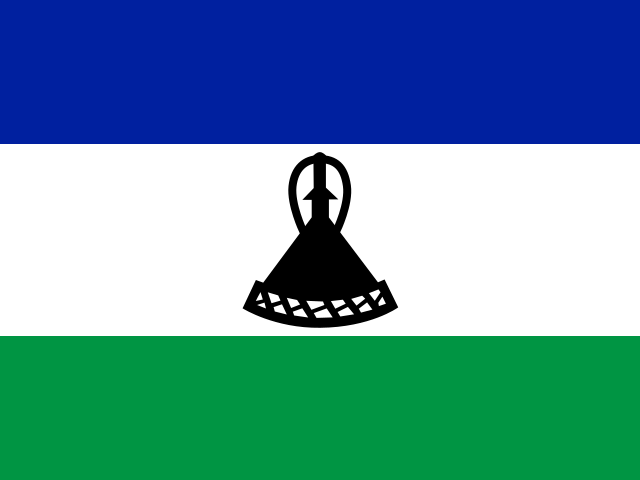
Lesotho
Revenue Services Lesotho (RSL) administers Lesotho's tax system. Personal income tax is progressive at 20% or 30% with a tax-credit personal allowance of approximately LSL 8,460 per year. Corporate income tax is 25% standard and 10% for qualifying manufacturing income. VAT is 15%. The Lesotho Loti (LSL) is pegged 1:1 to the South African Rand (ZAR) under the 1974 Common Monetary Area agreement — ZAR is accepted as legal tender alongside LSL. Lesotho is a member of SACU (the world's oldest customs union, 1910), the CMA, SADC, and AfCFTA. The Lesotho Highlands Water Project exports mountain water to South Africa, generating royalties of approximately 5–8% of GDP.
Tax authority: Lesotho Revenue Authority (LRA)
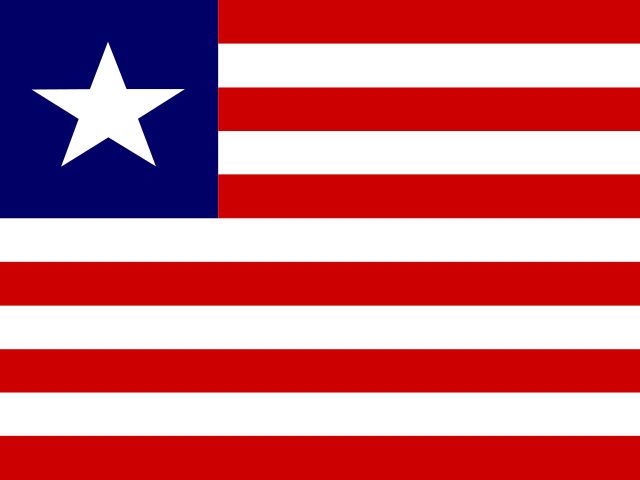
Liberia
Liberia's Liberia Revenue Authority (LRA) runs the tax system. Personal income tax is progressive 0–25% across four bands, with a LRD 70,000 personal allowance. Corporate tax is 25% flat (35% for petroleum and mining). Goods and Services Tax is 10%. Liberia has a very thin bilateral treaty network of roughly 4–6 active agreements. Distinctive: Liberia and the US Dollar are dual legal tender simultaneously — one of the world's few sovereign states with continuous dual-currency circulation. Liberia also operates the world's second-largest flag-of-convenience maritime registry.
Tax authority: Liberia Revenue Authority (LRA)
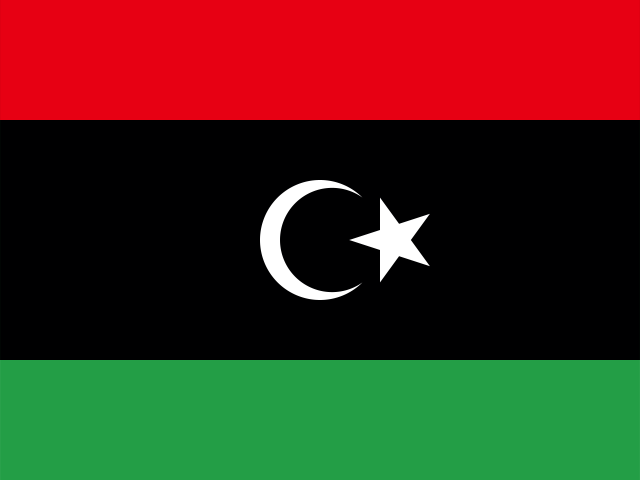
Libya
Libya's Tax Department administers a progressive personal income tax (5% / 10%) plus a 4% Jihad Tax surcharge, giving an effective top combined rate of ~14%. Corporate tax is 20% flat (24% combined with Jihad Tax). Libya has no general VAT — only Stamp Duty and limited excise levies. The petroleum sector dominates the economy and faces higher effective rates under Production Sharing Agreements. Libya is an Arab Maghreb Union (AMU) member alongside Morocco, Algeria, Tunisia, and Mauritania. The Central Bank of Libya reunified in August 2023 after a nine-year split. Approximately 14 active bilateral tax treaties cover cross-border income.
Tax authority: Tax Authority (Maslahat Al-Dariba)
Madagascar
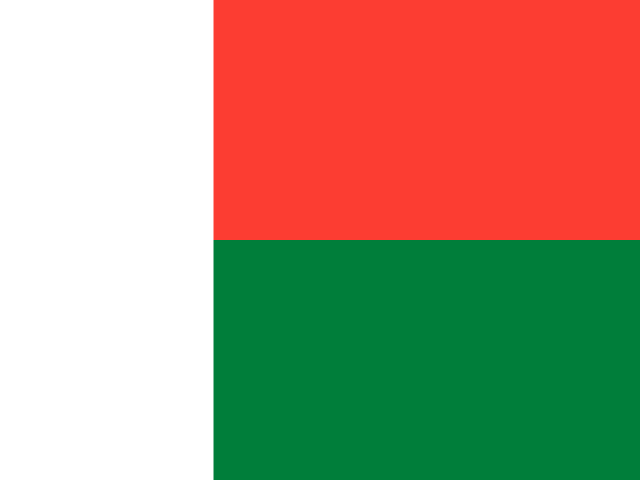
Madagascar's Direction Generale des Impots (DGI) administers the tax system. Personal income tax (IRSA) runs five progressive brackets from 0% to 20%. Corporate income tax (IR) is 20% flat, with separate regimes for mining and petroleum. TVA (VAT) is 20%. Madagascar has roughly 5 active double tax treaties — one of the thinnest networks in the Indian Ocean region. The Malagasy Ariary (MGA) is one of only two non-decimal currencies in the world.
Tax authority: Direction Générale des Impôts (DGI)
Malawi
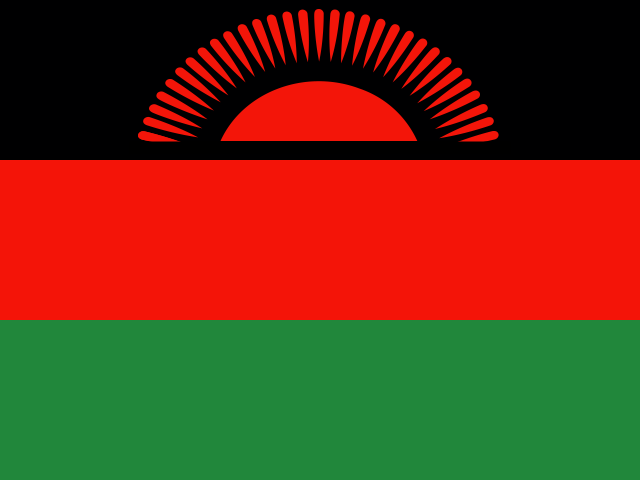
Malawi's Malawi Revenue Authority (MRA) administers tax under an April-to-March fiscal year. Personal income tax is progressive at 0%, 25%, 30%, and 35%, with an MWK 100,000/month tax-free threshold. Corporate tax is 30%. VAT is 16.5% with a MWK 25 million registration threshold. Malawi holds around ten double tax treaties and is the world's leading burley-tobacco producer — a sector that shapes the country's entire fiscal landscape.
Tax authority: Malawi Revenue Authority (MRA)
Mali
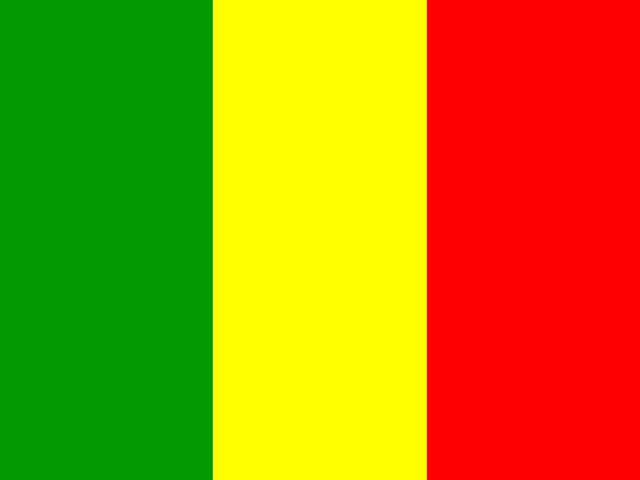
Mali's Direction Generale des Impots (DGI) administers a progressive personal income tax (ITS) at 0–40% across eight bands, corporate income tax (IS) at 30%, and TVA at 18% — all aligned with WAEMU directives. The West African CFA franc (XOF) is pegged to the EUR at 655.957. Mali is Africa's #3–4 gold producer and a founding member of the Alliance of Sahel States (AES, Sep 2023) alongside Burkina Faso and Niger. The DTA network covers roughly 13 partners; no US, UK, or China treaty. Pillar Two not transposed.
Tax authority: Direction Générale des Impôts (DGI)
Mauritania
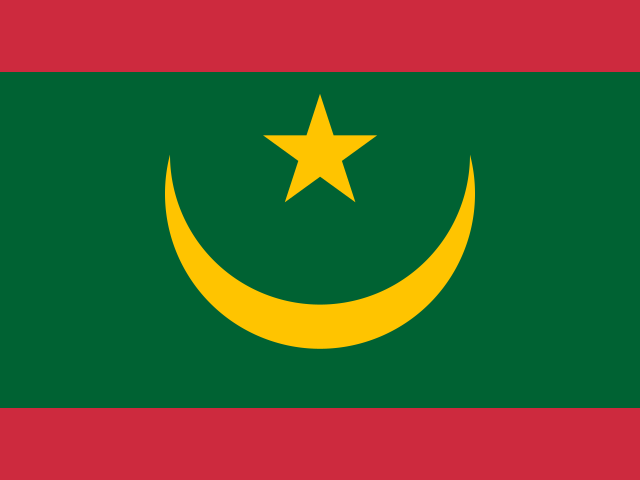
Mauritania's Direction Generale des Impots (DGI) runs the tax system under the Code General des Impots. Personal income tax (ITS) is progressive at 0-40%, with a monthly allowance of MRU 9,000. Corporate BIC is 25% standard (35% petroleum). TVA is 16%. Mauritania completes the AMU Arab Maghreb Union five-member bloc. The ouguiya (MRU) is one of only two non-decimal currencies globally — 1 ouguiya = 5 khoums. A 2018 redenomination replaced the old ouguiya (UM) at 10:1. Key sectors: iron ore (#2 Africa, SNIM Zouerate), EU fishing-access fees (~60M EUR/year), and the joint Mauritania-Senegal GTA offshore gas project (started 2024).
Tax authority: Direction Générale des Impôts (DGI)
Mauritius
Mauritius's Mauritius Revenue Authority (MRA) administers a progressive personal income tax (0–20%) with a fiscal year ending 30 June, a flat 15% corporate tax with an 80% Partial Exemption Regime (effective 3% on qualifying foreign-source income), and 15% VAT. Around 46 active double-tax treaties include the landmark 1982 India–Mauritius DTA (revised 2016). Roughly 6,000 Global Business License companies make Mauritius the primary Africa–India investment conduit.
Tax authority: Mauritius Revenue Authority (MRA)
Mayotte
Mayotte is a French overseas department (DOM) since 2011 following French tax frameworks with DOM-specific adjustments. Mayotte transition arrangements continued through successive amendments.
Morocco
Morocco's Direction Générale des Impôts (DGI) administers a six-bracket personal income tax (IR) from 0% to 37%, a progressive corporate income tax (IS) from 17.5% to 33%, and a multi-tier TVA (VAT) at 20% standard. The Casablanca Finance City (CFC) regime offers a reduced 8.75% CIT for qualifying regional HQ and financial firms. Morocco has approximately 60 active bilateral tax treaties including the US–Morocco DTA (1977) and has signed the OECD MLI. It is a member of AfCFTA, the EU Association Agreement framework, and AGOA.
Tax authority: Direction Générale des Impôts (DGI)
Mozambique
Mozambique's Autoridade Tributaria de Mocambique (AT) administers personal income tax (IRPS) at progressive 10-32 percent across five brackets and corporate income tax (IRPC) at 32 percent flat (10 percent for agriculture and electrical-energy sectors through 31 December 2025). VAT (IVA) sits at 16 percent. The Rovuma Basin LNG megaprojects add an elevated petroleum-specific framework under Lei 27/2014. Around 10 active double tax treaties are in force; the MLI is not yet ratified.
Tax authority: Autoridade Tributária de Moçambique (AT)
Namibia
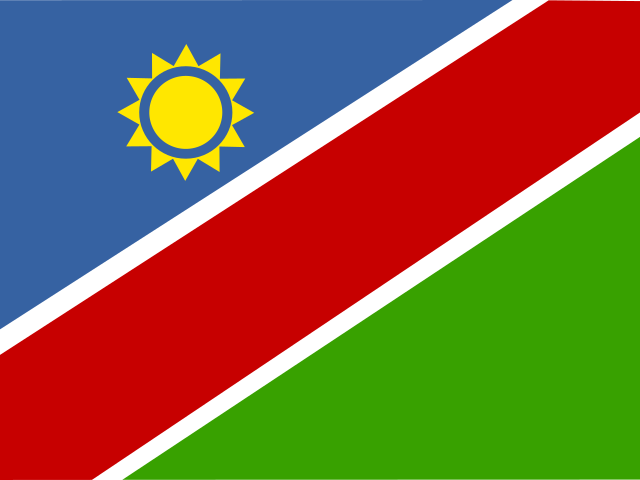
Namibia's Namibia Revenue Agency (NamRA) administers a predominantly territorial tax system. Personal income tax runs at progressive 0–37% across seven brackets above a NAD 100,000 allowance. Corporate income tax is 28% standard (post-2024 reduction from 32%), with elevated rates for mining (30–35%) and oil/gas (33%). VAT is 15%. The tax year ends 28 February. Around 11 active double-tax agreements cover key trade partners; the OECD Multilateral Instrument is signed but not yet ratified.
Tax authority: Namibia Revenue Agency (NamRA)
Niger
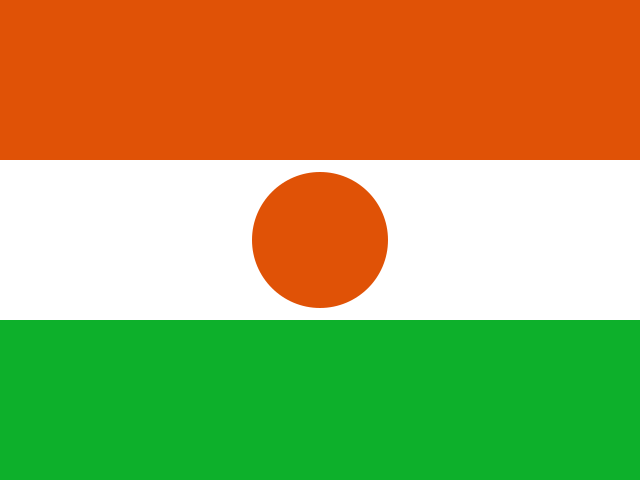
Niger's Direction Generale des Impots (DGI) administers personal income tax (ITS — Impot sur le Traitement et les Salaires) at progressive monthly rates from 1 to 35 percent and corporate income tax (IS — Impot sur les Societes) at 30 percent flat. TVA sits at 19 percent under WAEMU directive harmonisation. Approximately 5 active double tax agreements are in force; the US is not a treaty partner. Niger is a WAEMU and OHADA member and, since 2023, a founding member of the Alliance des Etats du Sahel with Mali and Burkina Faso. The DGI remains operationally active through the transition period.
Tax authority: Direction Générale des Impôts (DGI)
Nigeria
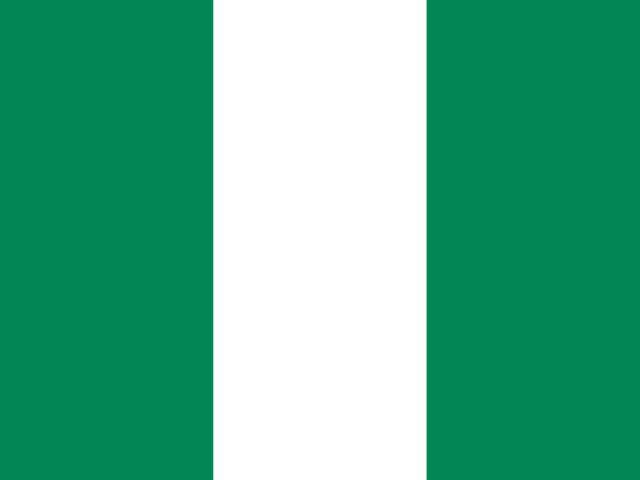
From 1 January 2026 the Nigeria Revenue Service (NRS, successor to FIRS under the 2025 Tax Reform Acts) administers Nigerian federal tax alongside 36 State Internal Revenue Services; personal income tax runs 0-25% with the first NGN 800,000 of annual income exempt, corporate income tax runs 0-30% by company size, and VAT stays 7.5% - making Nigeria Africa's largest and most structurally complex tax jurisdiction.
Tax authority: Federal Inland Revenue Service (FIRS)
Réunion
Réunion is a French overseas department (DOM) following French tax frameworks with DOM-specific adjustments. TVA reduced 8.5 percent standard.
Rwanda
Rwanda's Rwanda Revenue Authority administers personal income tax (PAYE) at progressive 0-30 percent across multiple bands and corporate income tax at 28 percent flat (15 percent for preferential investors under Investment Code; 0 percent for International Financial Centre). VAT at 18 percent. EAC, COMESA, AfCFTA member with progressive Kigali International Financial Centre framework.
Tax authority: Rwanda Revenue Authority (RRA)
Saint Helena, Ascension and Tristan da Cunha
Saint Helena, Ascension and Tristan da Cunha (UK Overseas Territory) administers personal income tax at progressive rates, corporate income tax at 25 percent, and no general VAT.
São Tomé and Príncipe
Sao Tome and Principe's Direccao dos Impostos administers personal income tax (Imposto sobre o Rendimento de Pessoas Singulares) at progressive 0-25 percent across multiple bands and corporate income tax (IRC) at 25 percent flat. VAT (IVA) at 15 percent (effective 1 January 2024 replacing prior consumption tax). CPLP, AU, ECCAS, and AfCFTA member with lusophone tax tradition.
Tax authority: Direcção dos Impostos e das Alfândegas (DIA)
Senegal
Senegal's Direction Generale des Impots et des Domaines (DGID) administers personal income tax (Impot sur le Revenu, IR) at progressive 0-40 percent across six bands, corporate income tax at 30 percent, and TVA (VAT) at 18 percent. Senegal is a WAEMU member operating under the OHADA business-law framework.
Tax authority: Direction Générale des Impôts et des Domaines (DGID)
Seychelles
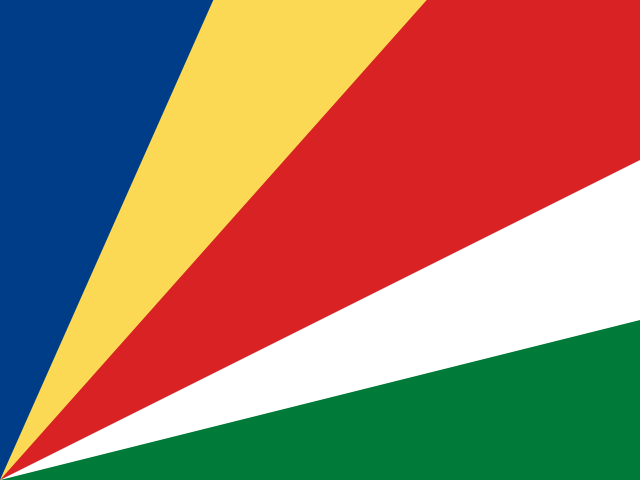
Seychelles's Seychelles Revenue Commission administers personal income tax at progressive 0/15/20/30 percent across four bands and corporate income tax at 25/30 percent (15 percent reduced for under SCR 1m). VAT at 15 percent. Significant offshore-financial-centre relevance with International Business Companies (IBC) framework reformed post-2018 to comply with EU Code of Conduct. SADC, COMESA, IOC, and AfCFTA member.
Tax authority: Seychelles Revenue Commission (SRC)
Sierra Leone
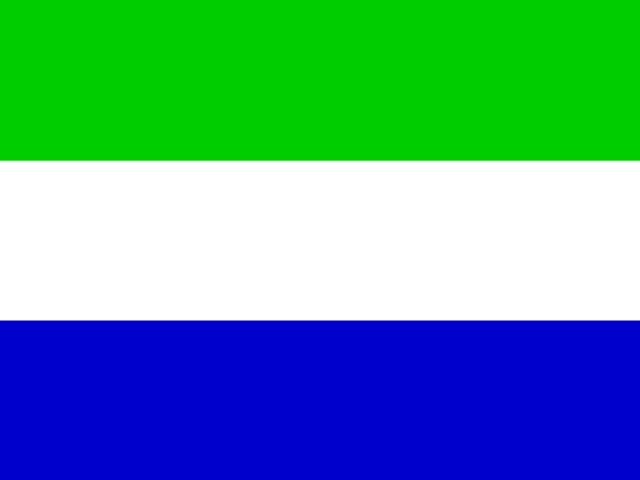
Sierra Leone's National Revenue Authority administers personal income tax (PAYE) at progressive 0-30 percent across multiple bands and corporate income tax at 25 percent flat (30 percent banks/petroleum/mining). Goods and Services Tax (GST) at 15 percent. ECOWAS, MRU, and AfCFTA member with anglophone tax tradition. Iron-ore and diamond-sector elevated framework critical for foreign investors.
Tax authority: National Revenue Authority (NRA)
Somalia
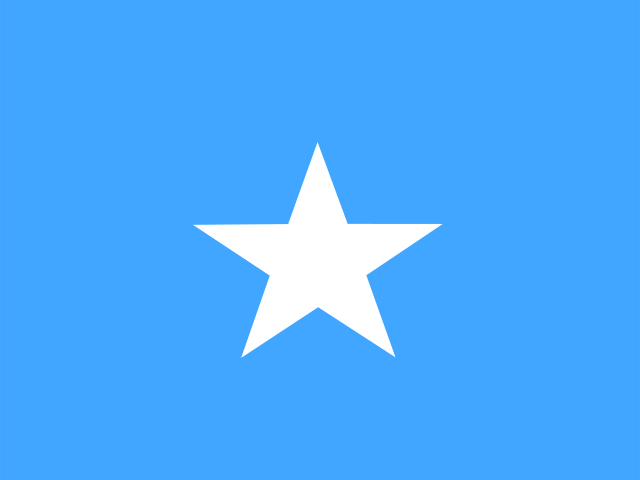
Somalia's Ministry of Finance Inland Revenue Department administers personal income tax at progressive 0-13 percent across multiple bands and corporate income tax at 0-25 percent (post-2018 framework recovery). Sales tax at 5 percent (no general VAT). Reconstruction-context fiscal-administration framework progressively developing post-2012. Arab League, AU, IGAD, and AfCFTA member.
Tax authority: Somali Revenue Authority (SRA)
South Africa
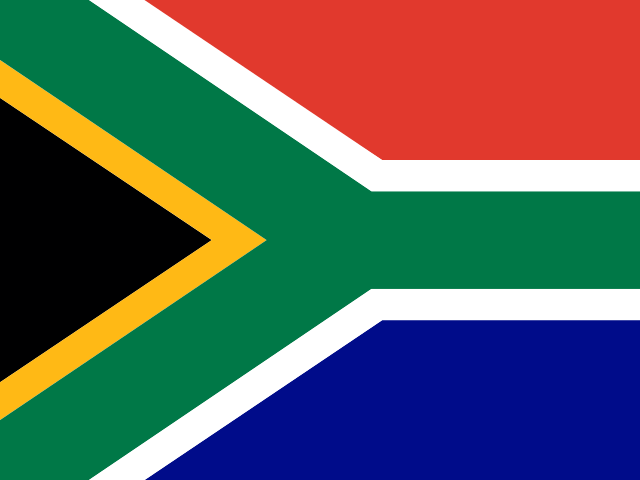
SARS administers South African tax. Tax year runs 1 March to 28/29 February. Residents are taxed on worldwide income at 18 to 45 percent across seven brackets. Corporate rate is 27 percent. VAT is 15 percent. Residency is set by the ordinarily-resident common-law test or the physical-presence test in section 1 of the Income Tax Act.
Tax authority: South African Revenue Service (SARS)
Corporate: 27% (source, as of 2026-11-14) · Income tax: 45% (source, as of 2026-03-01) · VAT / GST: 15% (source, as of 2026-11-14)
South Sudan
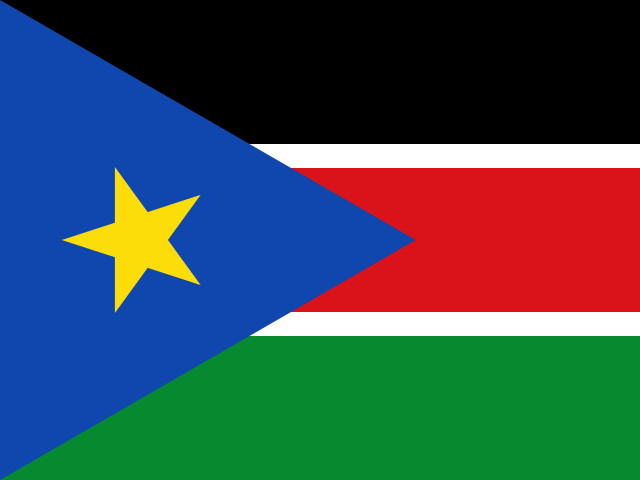
South Sudan's National Revenue Authority administers personal income tax at progressive 0-20 percent across multiple bands and corporate income tax at 25 percent flat (35 percent for petroleum sector). VAT not implemented (sales tax framework only). EAC membership progressing; AfCFTA member. Petroleum-sector concentration creates significant elevated-framework complexity.
Tax authority: National Revenue Authority (NRA)
Sudan
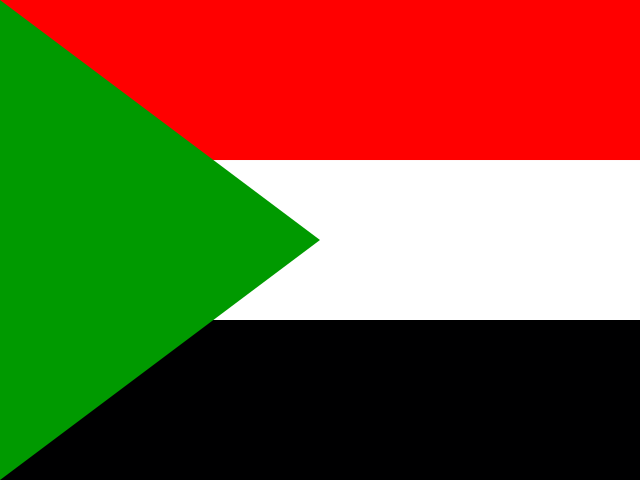
Sudan's Sudan Tax Chamber administers personal income tax at progressive 0-15 percent across multiple bands and corporate income tax at 15 percent flat (35 percent banking; 35 percent telecoms; 30 percent tobacco). VAT at 17 percent. Post-April-2023 conflict context dominates all Sudan-related operations with substantial fiscal-administration disruption and US/EU sanctions framework.
Tax authority: Sudanese Tax Chamber (Haiaa Al-Daraa'ib)
Tanzania
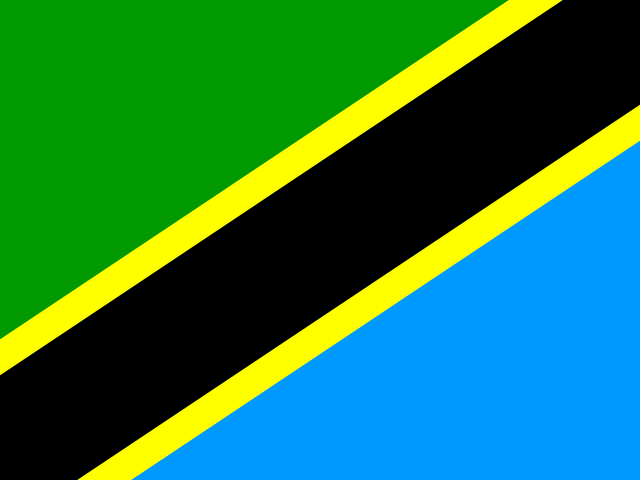
Tanzania's Tanzania Revenue Authority (TRA) administers personal income tax at progressive 0-30 percent across five bands (employment income), corporate income tax at 30 percent (with 25 percent for newly listed Dar es Salaam Stock Exchange companies for first 3 years), and Value Added Tax at 18 percent standard. The Zanzibar Revenue Authority (ZRA) administers Zanzibar's separate VAT and certain taxes under the Union Constitution.
Tax authority: Tanzania Revenue Authority (TRA)
Togo
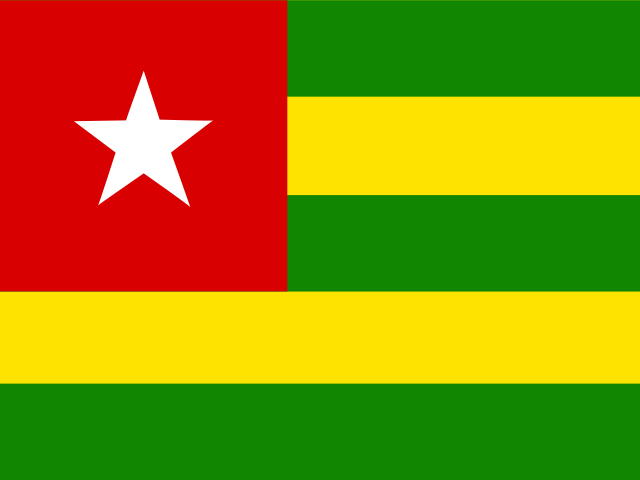
Togo's Office Togolais des Recettes administers personal income tax (Impot sur le Revenu des Personnes Physiques) at progressive 0.5-35 percent across multiple bands and corporate income tax (Impot sur les Societes) at 27 percent flat. VAT (TVA) at 18 percent under WAEMU directive harmonisation. WAEMU, ECOWAS, and AfCFTA member.
Tax authority: Office Togolais des Recettes (OTR)
Tunisia
Tunisia's Direction Generale des Impots (DGI) administers personal income tax (Impot sur le Revenu, IRPP) at progressive 0-35 percent across multiple bands, corporate income tax at 15 percent (post-2024 reform from prior 13/15/19/35 percent multi-tier framework simplified), and TVA (VAT) at 19 percent standard. Tunisia is a Greater Arab Free Trade Area member.
Tax authority: Direction Générale des Impôts (DGI)
Uganda
Uganda's Uganda Revenue Authority (URA) administers personal income tax (Pay As You Earn) at progressive 0-40 percent across four employment-income bands (with the 10-percent additional surcharge above UGX 10m monthly creating the effective 40-percent top), corporate income tax at 30 percent, and Value Added Tax at 18 percent standard. The 5-percent Digital Services Tax on non-resident digital service providers operates from 1 July 2023.
Tax authority: Uganda Revenue Authority (URA)
Western Sahara
Western Sahara is a non-self-governing territory listed on the UN's decolonisation agenda. Morocco administers approximately 80 percent of the territory west of the Berm (sand wall), where Moroccan tax law — administered by the Direction Générale des Impôts (DGI) — applies in practice. The Sahrawi Arab Democratic Republic (SADR) administers the remaining eastern zone with a limited revenue framework. No single internationally recognised tax authority covers the full territory. Tax practitioners who encounter Western Sahara in trade documents, residency queries, or EU customs contexts should treat Morocco-administered areas as operating under Moroccan fiscal law while noting the unresolved sovereignty question.
Zambia
Zambia's Zambia Revenue Authority administers personal income tax (PAYE) at progressive 0-37 percent across multiple bands and corporate income tax at 30 percent flat (35 percent telecoms; 40 percent banks; mining-sector elevated framework with mineral-royalty + sliding-scale CIT). VAT at 16 percent. Copper-sector concentration creates significant elevated-framework complexity. SADC, COMESA, and AfCFTA member.
Tax authority: Zambia Revenue Authority (ZRA)
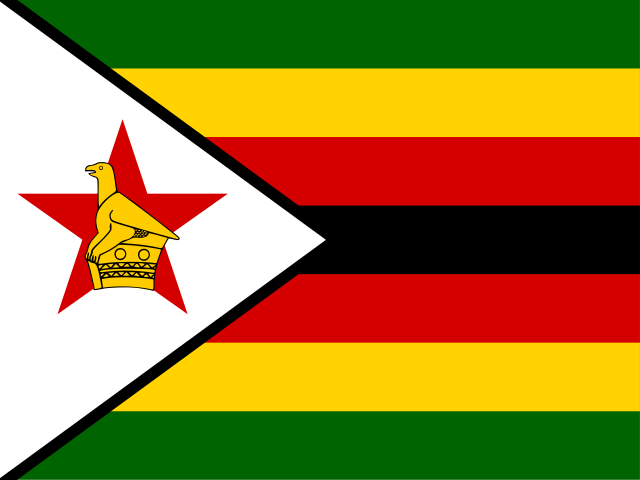
Zimbabwe
Zimbabwe's Zimbabwe Revenue Authority (ZIMRA) administers personal income tax at progressive 0-40 percent across multiple bands (with the brackets denominated in both ZWG and USD reflecting the post-2019 currency-mode transitions), corporate income tax at 25 percent, and VAT at 15 percent. Zimbabwe operates under successive currency-regime transitions including the April 2024 Zimbabwe Gold (ZiG/ZWG) introduction.
Tax authority: Zimbabwe Revenue Authority (ZIMRA)
 Burundi

 Djibouti
 Malawi
 Namibia
 Seychelles
Who is the Algerian tax authority?
Direction Generale des Impots (DGI), under the Ministere des Finances. Large taxpayers use Direction des Grandes Entreprises (DGE). Regional filings go through Directions des Impots de Wilaya. Electronic filing via Jibaya'tic portal. Expert-Comptable regulated by the Ordre National des Experts-Comptables.
Who is the Angolan tax authority?
Administracao Geral Tributaria (AGT), under the Ministry of Finance.
Who is the Beninese tax authority?
The Direction Générale des Impôts (DGI) under the Ministère de l'Économie et des Finances. The DGI administers the Code Général des Impôts, most recently updated by Loi 2024-09. Benin is a UEMOA, ECOWAS, and AfCFTA member.
Who is the Botswana tax authority?
Botswana Unified Revenue Service (BURS), the autonomous revenue body under the Ministry of Finance. BURS administers the Income Tax Act Cap 52:01, VAT Act Cap 50:03, and customs and excise under successive Finance Acts. BURS operates an online eFiling portal and a Self-Assessment Tax (SAT) regime.
Who is the Burkinabe tax authority?
The Direction Générale des Impôts (DGI), operating under the Ministère de l'Économie et des Finances. The DGI administers IUTS, IS/BIC, TVA, and withholding taxes under the Code Général des Impôts (CGI) and annual Loi de Finances amendments.
Who is the Burundian tax authority?
Office Burundais des Recettes (OBR), under the Ministry of Finance, Budget and Economic Planning. OBR administers the tax system under the Code General des Impots (CGI) and annual Loi de Finances amendments.
Last updated · Changes to this page
TaxProsRated is a product line developed, operated and managed by Aurum Transfers Limited.