

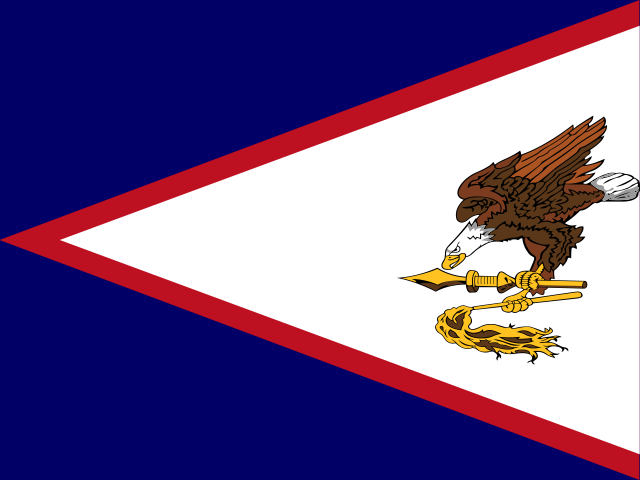
American Samoa
American Samoa's Tax Office administers a Mirror Code framework under IRC §7654: personal income tax mirrors federal brackets (top 37%), corporate income tax mirrors federal 21%, no VAT, and bona fide AS residents file only with the AS Tax Office (not the IRS) for AS-source income. US treaties cover AS residents via the broader US treaty network.
Tax authority: American Samoa Department of Revenue (subject to US federal tax via IRS for residents)
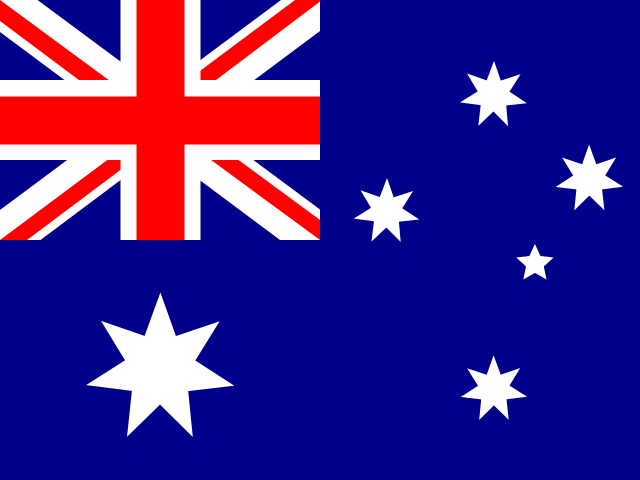
Australia
For the 2026-27 income year (1 July 2026 - 30 June 2027, now in progress), Australia's resident tax brackets run 0/15/30/37/45 percent at $18,200/$45,000/$135,000/$190,000 -- the second bracket dropped from 16 to 15 percent on 1 July 2026, the first of two legislated cuts running to 2027-28 [5]. Foreign residents and 417/462 working holiday makers are taxed from the first dollar with no tax-free threshold -- visa subclass such as 457/482 does not itself decide residency status [3][8][9]. Medicare levy is 2 percent, with the surcharge starting at $105,000 (singles) / $210,000 (families) for 2026-27 [6]. Superannuation Guarantee reached its final legislated rate of 12 percent on 1 July 2025 [12].
Tax authority: Australian Taxation Office (ATO)
Corporate: 30% (source, as of 2026-11-14) · Income tax: 45% (source, as of 2026-11-14) · VAT / GST: 10% (source, as of 2026-11-14)
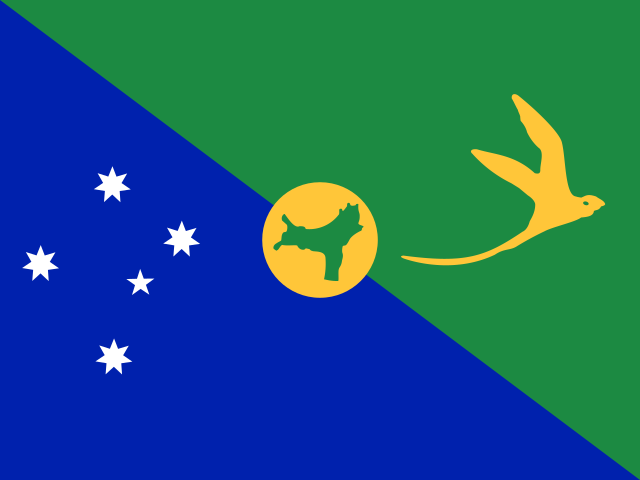
Christmas Island
Christmas Island is not tax-free for income tax. It is an Australian external territory, so the ATO applies Australian income tax (2025-26 resident rates 0/16/30/37/45% plus the 2% Medicare levy), with the Zone Tax Offset for residents. The 10% GST does not apply there, but customs and excise duty do.
Tax authority: Christmas Island — Australian Taxation Office (ATO) (Australian territory, Australian tax law applies)
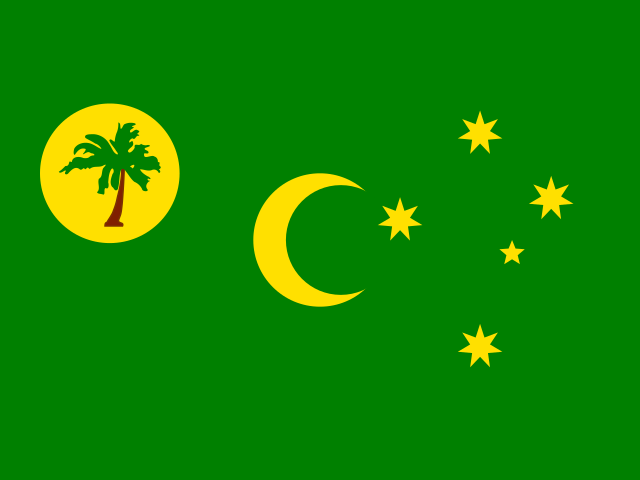
Cocos (Keeling) Islands
Cocos (Keeling) Islands is an Australian external territory in the Indian Ocean. Residents are subject to the Australian tax framework administered by the ATO. The Australian progressive personal income tax applies — 0/16/30/37/45% bands post-Stage-3 — alongside a Zone Tax Offset that reduces the effective burden for Cocos residents. Corporate tax runs at 30% standard or 25% for base-rate entities. Australian GST at 10% applies. Cocos residents file through ATO myTax on the Australian fiscal year (1 July – 30 June). Australia's ~45 bilateral DTAs are accessible via the Australian framework.
Tax authority: Cocos (Keeling) Islands — Australian Taxation Office (ATO) (Australian territory, Australian tax law applies)
Cook Islands
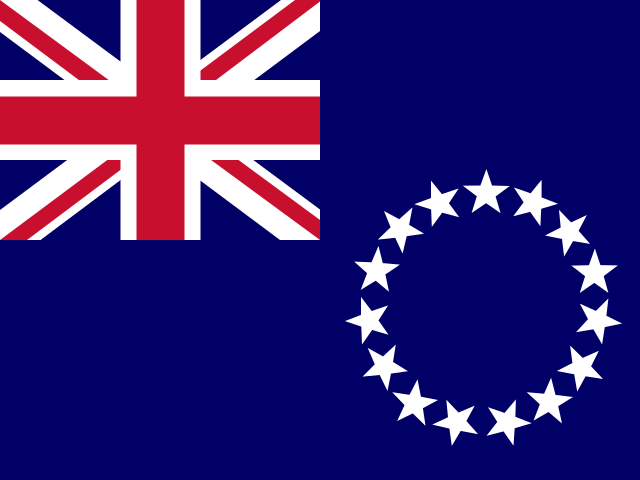
The Cook Islands Ministry of Finance and Economic Management (MFEM) — Revenue Management Division (RMD) — runs the tax system. Personal income tax uses four brackets: 0% (tax-free band), 17%, 27%, and 30% at the top. Corporate income tax is a flat 20%. VAT is 15%. The Cook Islands is a self-governing state in free association with New Zealand — Cook Islanders hold NZ citizenship but the tax framework is entirely distinct from New Zealand's. The fiscal year runs April 1 to March 31. The country has signed the OECD Multilateral Instrument and operates an extensive TIEA network (~28+) alongside around 9 bilateral DTAs. New Zealand Dollar (NZD) is the legal tender.
Tax authority: Cook Islands Revenue Management Division (Ministry of Finance and Economic Management)
Fiji
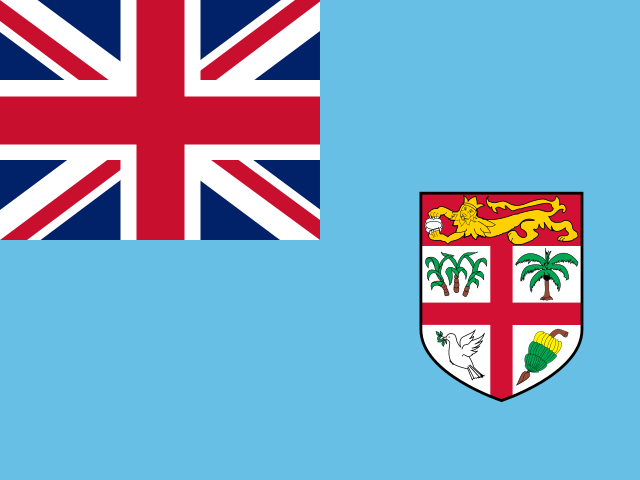
Fiji Revenue and Customs Service (FRCS) runs the tax system. Personal income tax is progressive at five rates (0%, 9%, 20%, 27%, 34%) with a top band above FJD 270,000. Corporate tax is 20% standard, reduced to 10% for new businesses and qualifying regional headquarters. VAT is 15%. Fiji has around 12 active double tax agreements. There is no US-Fiji tax treaty.
Tax authority: Fiji Revenue and Customs Service (FRCS)
French Polynesia
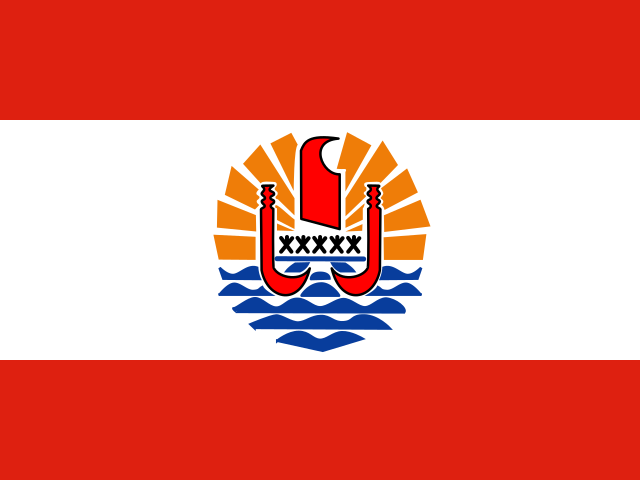
French Polynesia (Tahiti) has no general personal income tax. Its own tax office, the DICP, charges companies 25 percent impot sur les societes, taxes individual entrepreneurs on turnover (IT), levies the CST-S solidarity contribution on salaries, and applies TVA at 5, 13 and 16 percent. Metropolitan French income tax does not apply.
Tax authority: Direction des Impôts et des Contributions Publiques (DICP)
Guam
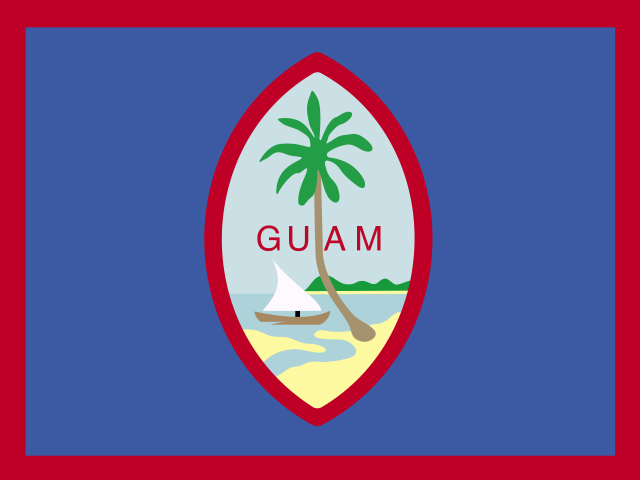
Guam's Department of Revenue and Taxation (DRT) administers a mirror-IRC framework under the Organic Act of Guam 1950. Personal income tax follows federal IRC brackets (top 37%). Corporate income tax mirrors the federal 21% flat rate. No VAT — instead a Business Privilege Tax (BPT) of 4% on gross receipts applies. Guam residents file with DRT, not the IRS. US treaty network extends via the US framework with territorial carve-outs.
Tax authority: Guam Department of Revenue and Taxation (DRT)
Kiribati
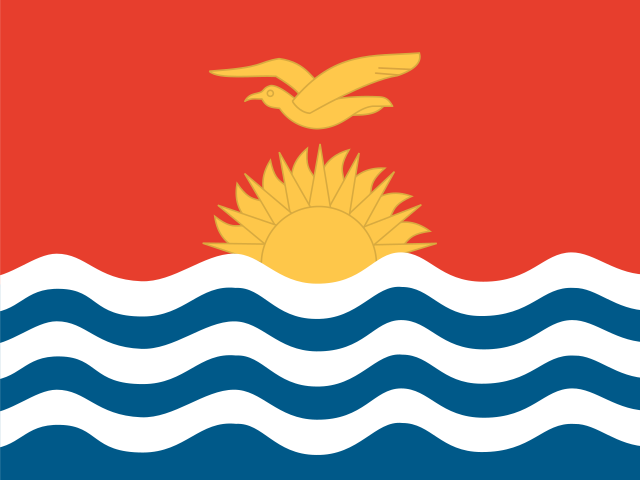
Kiribati's Taxation Office (under the Ministry of Finance and Economic Development) administers the tax system. Personal income tax runs at 25% up to a threshold, then 35% above it. Corporate income tax is 30% (25% for locally owned businesses in some sectors). Kiribati has no VAT — it relies on import duties, excise taxes, and a Hotel Tax for indirect revenue. The Australian Dollar (AUD) is legal tender; Kiribati issues no domestic currency. The Revenue Equalisation Reserve Fund (RERF) is the country's sovereign wealth fund, built on exhausted phosphate royalties from Banaba Island. The DTA network is very thin — around 3–4 bilateral agreements.
Tax authority: Tax Administration (Ministry of Finance and Economic Development)
Marshall Islands
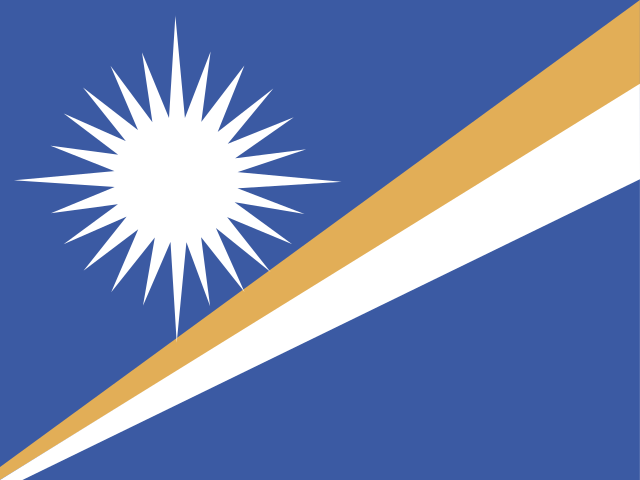
The Republic of the Marshall Islands (RMI) is a Pacific sovereign nation in Compact of Free Association with the United States since 1986. The Division of Revenue, Customs and Taxation administers tax. Personal income tax is progressive: 8% on the first USD 10,400 above a USD 5,200 exemption, then 12% at the top. Corporate income tax is 3% on gross revenue up to USD 80,000, stepping up above that. A 5% Gross Revenue Tax applies to local businesses. RMI uses USD as sole legal tender. RMI hosts the world's largest or second-largest ship registry by tonnage (rivalling Liberia). The SOV national digital currency project (2018-2024) is dormant. RMI has a thin DTA network but maintains TIEAs with the US, UK, Australia, and Nordic countries under the CRS framework.
Tax authority: Marshall Islands Tax Administration (Office of the Chief Secretary)
Micronesia (Federated States of)
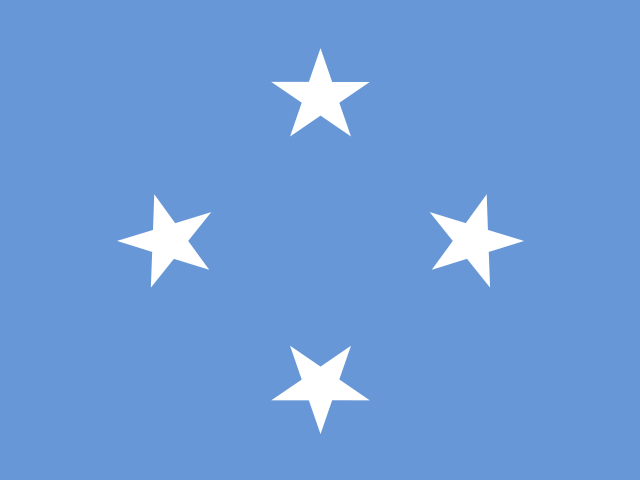
The Federated States of Micronesia (FSM) is a sovereign nation in Compact of Free Association with the United States. The Department of Finance and Administration administers federal tax. Personal income tax runs at 6% then 10% — among the lowest progressive rates in the Pacific. Corporate tax is 21%. A distinctive Gross Revenue Tax (GRT) of 3% on services and 1% on goods applies as a turnover-based levy, separate from net-profit corporate tax. FSM uses USD. The bilateral DTA network is essentially zero — FSM relies on the Compact framework with the US. FSM has four constituent states (Chuuk, Kosrae, Pohnpei, Yap), each with state-level tax autonomy.
Tax authority: Federated States of Micronesia Department of Finance and Administration
Nauru
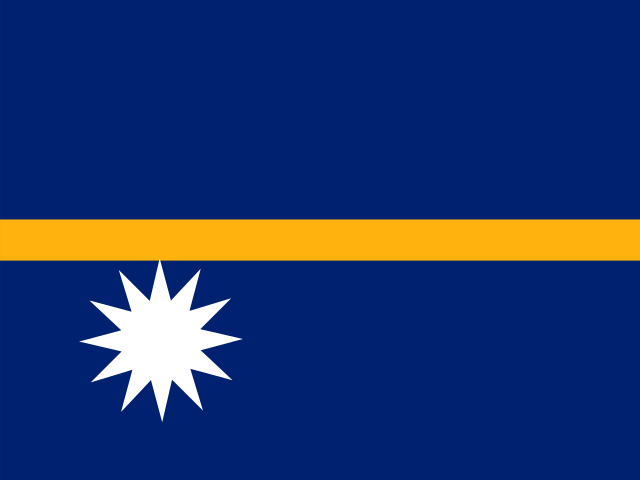
Nauru's Department of Finance administers the Employment and Services Tax (EST), a payroll-based progressive levy reaching 30% on monthly income above AUD 5,000. Business Tax at 25% applies to selected industries (finance, telecoms, government contractors, mining services) — there is no general corporate income tax. Nauru uses the Australian Dollar (AUD), has no VAT, and relies on customs duties as the primary indirect-tax mechanism. No bilateral double tax agreements exist; Nauru participates in the Pacific Islands Forum but has not signed the OECD Multilateral Instrument.
Tax authority: Nauru Revenue Office (Department of Finance)
New Caledonia
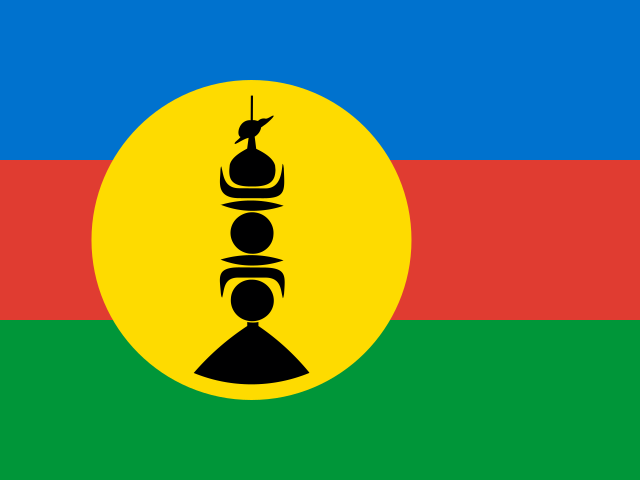
New Caledonia's Direction des Services Fiscaux (DSF) administers a fiscally autonomous system under the Nouméa Accord. Personal income tax (IRPP) runs at progressive 0/4/12/25/40% across five bands. Corporate income tax is 30% standard and 35% for the nickel-extraction sector. The Taxe Générale de Consommation (TGC) is 11% standard. Currency is the XPF (CFP franc), pegged to EUR at 119.3317 XPF per euro. The DTA network is minimal — New Caledonia is not a sovereign state and has very limited independent bilateral agreements.
Tax authority: Direction des Services Fiscaux (DSF) — New Caledonia
New Zealand
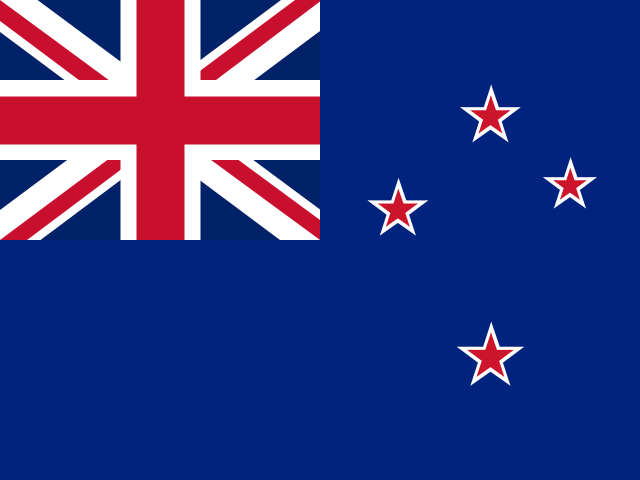
Inland Revenue (IRD) administers New Zealand tax. Tax year runs 1 April – 31 March; IR3 returns are due 7 July, with tax-agent extensions to 31 March of the following year. Residents are taxed on worldwide income at post-31-July-2024 rates of 10.5/17.5/30/33/39 percent. Corporate rate is 28 percent; GST is a flat 15 percent.
Tax authority: Inland Revenue Department (IRD)
Corporate: 28% (source, as of 2026-11-14) · Income tax: 39% (source, as of 2025-04-01) · VAT / GST: 15% (source, as of 2026-11-14)
Niue
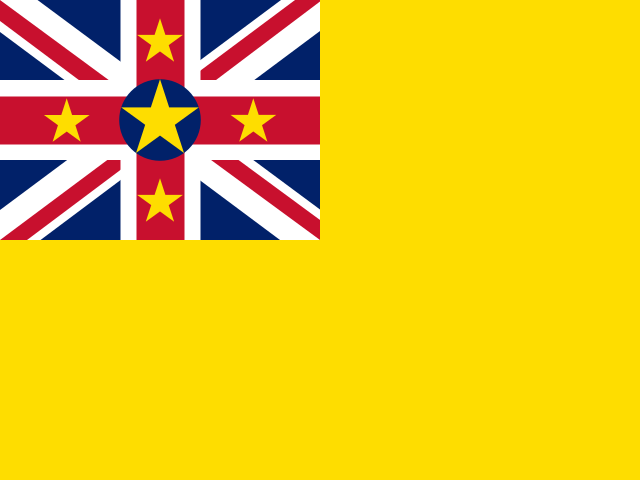
Niue has its own tax system, run by the Niue Tax Administration Office (Ministry of Finance). Individuals pay 10%, 20% and 30% income tax bands, companies pay 30%, and the Niue Consumption Tax (NCT) is 12.5%. The income year ends 31 March; individual returns (TF1) are due 31 August and company returns (TF2) 20 April.
Tax authority: Niue Tax Administration Office (Ministry of Finance)
Norfolk Island
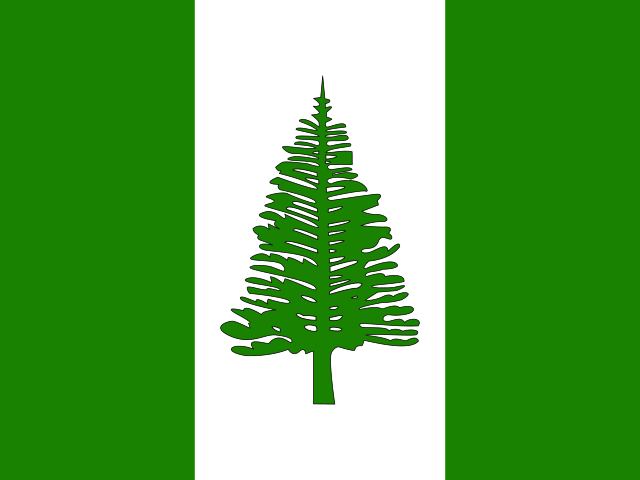
Norfolk Island is an Australian external territory in the South Pacific. Following the Norfolk Island Reform Act 2015, the Australian Taxation Office (ATO) has administered federal tax on Norfolk Island from 1 July 2016. Residents pay Australian progressive personal income tax (0–45%), the 2% Medicare Levy, corporate tax at 25% or 30%, and 10% GST. Pre-2016, Norfolk Island residents paid no income tax under the Norfolk Island Income Tax Act 1935 — the 2016 transition is the defining feature of its modern tax framework.
Tax authority: Norfolk Island Regional Council / Australian Taxation Office (ATO) — Norfolk Island subject to Australian tax law since 2016
Northern Mariana Islands
The Commonwealth of the Northern Mariana Islands (CNMI) uses a modified mirror of the US federal Internal Revenue Code, administered by the CNMI Division of Revenue and Taxation. CNMI residents pay Northern Mariana Islands Territorial Income Tax (NMTIT) instead of federal income tax — rates parallel US federal brackets. USD is the sole currency. CNMI is a US Commonwealth under the 1976 Covenant, distinct from unincorporated territories like Guam and American Samoa.
Tax authority: CNMI Division of Revenue and Taxation (Department of Finance)
Palau
Palau's Bureau of Revenue and Taxation administers personal income tax at progressive rates, corporate tax framework specific to Palau, and PGST (Goods and Services Tax). Palau uses USD.
Tax authority: Palau Bureau of Revenue and Taxation
Papua New Guinea
Papua New Guinea's Internal Revenue Commission administers personal income tax at progressive 0-42 percent across multiple bands, corporate income tax at 30 percent (50 percent for petroleum), and GST at 10 percent.
Tax authority: Internal Revenue Commission (IRC)
Pitcairn
Pitcairn Islands is a UK Overseas Territory with a very small permanent population (~50). No general personal or corporate income tax framework. Customs duties as primary revenue mechanism.
Tax authority: Pitcairn Islands Council (no distinct tax authority; no income tax)
Samoa
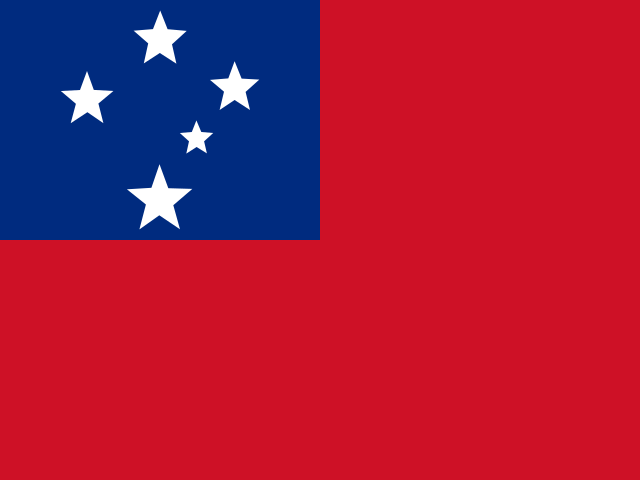
Samoa's Ministry for Revenue administers personal income tax at progressive 0/20/27 percent across three bands, corporate income tax at 27 percent, and VAGST at 15 percent.
Tax authority: Samoa Revenue Service (SRS) — Ministry of Customs and Revenue
Solomon Islands
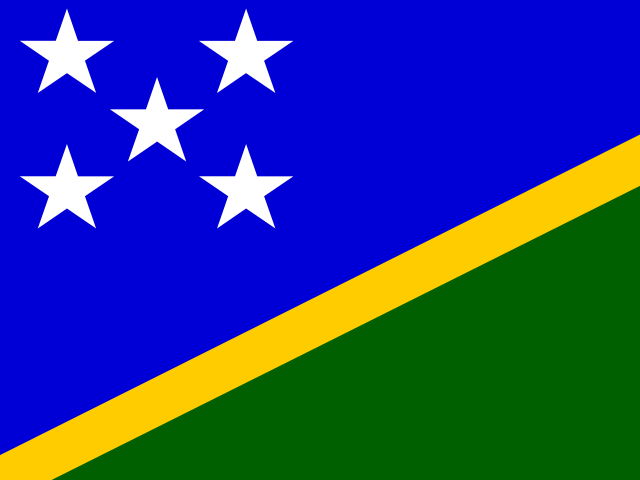
Solomon Islands Inland Revenue Division administers personal income tax at progressive rates (top 40 percent), corporate income tax at 30 percent, and Goods Tax at varying rates (Solomon Islands does not currently have credit-method VAT).
Tax authority: Inland Revenue Division (IRD) — Ministry of Finance and Treasury
Tokelau
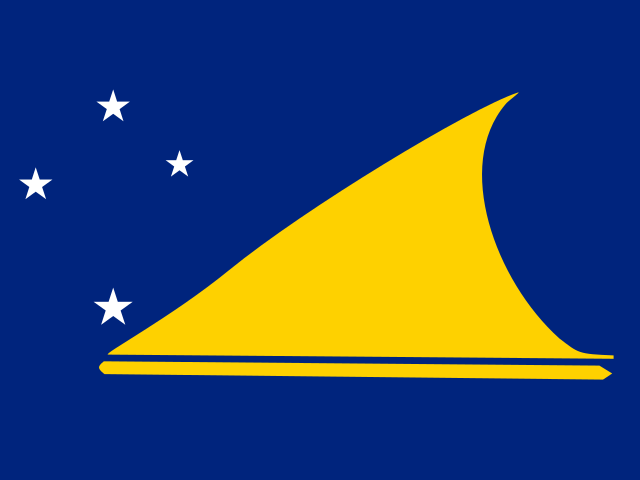
Tokelau is a New Zealand territory with very limited tax framework. New Zealand framework partially applies; customs duties primary revenue mechanism.
Tax authority: Tokelau National Administration (no distinct tax authority; no income tax)
Tonga
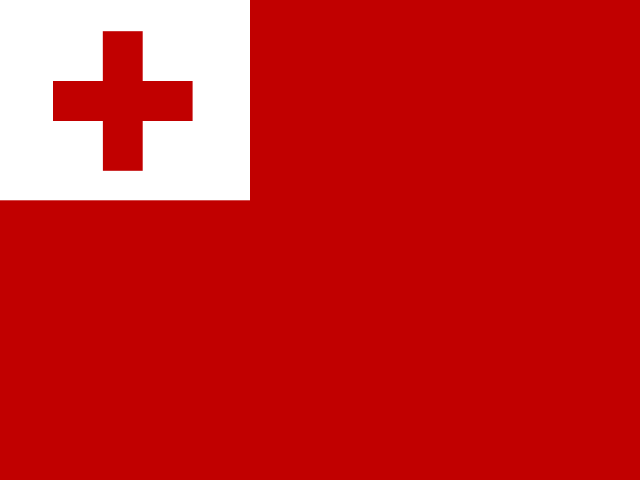
Tonga Revenue Services administers personal income tax at progressive 0/10/15/20/25 percent, corporate income tax at 25 percent, and Consumption Tax at 15 percent.
Tax authority: Tonga Revenue and Customs Service (TRCS)
Tuvalu
Tuvalu's Ministry of Finance administers limited tax framework with personal income tax progressive rates and corporate tax. Customs and consumption taxes are primary revenue mechanism alongside.tv domain licensing revenue.
Tax authority: Tuvalu Tax Administration (Ministry of Finance)
Vanuatu
Vanuatu's Department of Customs and Inland Revenue administers no personal income tax, no general corporate income tax, and VAT at 15 percent. Vanuatu is a no-direct-tax jurisdiction.
Tax authority: Vanuatu Inland Revenue Department (IRD)
Wallis and Futuna
Wallis and Futuna is a French overseas collectivity (COM) with limited tax framework: customs and consumption taxes are primary revenue mechanism. No general personal or corporate income tax in conventional sense.
What is the American Samoa tax framework?
American Samoa applies the federal Internal Revenue Code as its own tax code via IRC §7654 (Mirror Code). Bona fide AS residents file AS-source income with the AS Tax Office — not the IRS — and exclude that income from US federal gross income under IRC §931. US-source income earned by AS residents still files with the IRS.
What are Australia's current resident income tax rates for 2026-27?
For 2026-27 (from 1 July 2026): 0% to AUD 18,200; 15% to 45,000 (down from 16% in 2025-26); 30% to 135,000; 37% to 190,000; 45% above that. Medicare levy adds 2%. A further cut to 14% on the second bracket is legislated for 1 July 2027.
Is Christmas Island tax free?
Not for income tax. Australian income tax and company tax apply in full because Christmas Island is an Australian external territory administered by the ATO; residents may be able to claim the zone tax offset for remote areas. What does not apply is the 10% GST, because the island is outside the GST Act's definition of Australia.
Who is the tax authority for Cocos (Keeling) Islands?
The Australian Taxation Office (ATO) administers tax for Cocos (Keeling) Islands. There is no separate Cocos tax authority. Residents and businesses on the islands file Australian tax returns through ATO myTax or a TPB-registered tax agent, exactly as mainland Australians do.
Who is the Cook Islands tax authority?
The Revenue Management Division (RMD) of the Ministry of Finance and Economic Management (MFEM), accessible at mfem.gov.ck. The RMD administers income tax, VAT, and employer obligations under Cook Islands legislation, entirely separate from New Zealand's Inland Revenue.
Who is the Fiji tax authority?
Fiji Revenue and Customs Service (FRCS), under the Ministry of Finance. FRCS operates under the Income Tax Act 2015 and the Value Added Tax Act. The TPOS online portal handles electronic filing for individuals and companies.
Last updated · Changes to this page
TaxProsRated is a product line developed, operated and managed by Aurum Transfers Limited.