

Anguilla
Anguilla is a British Overseas Territory with zero personal income tax, zero corporate income tax, zero capital gains tax, and zero inheritance tax. Revenue comes entirely from indirect sources: stamp duty 5% on real estate, import duties 0-20%, accommodation tax 10%, communications tax 5%, and a Goods Stabilisation Levy. Anguilla has no VAT system. It holds roughly 25 Tax Information Exchange Agreements (TIEAs) but no comprehensive double-tax treaties. The Financial Services Commission (FSC) regulates IBCs, private trust companies, and segregated portfolio companies. Anguilla was removed from the EU non-cooperative jurisdictions list in February 2022 after enacting an Economic Substance regime.
Tax authority: Inland Revenue Department (Anguilla)
Antigua and Barbuda
Antigua and Barbuda's Inland Revenue Department administers no general personal income tax (zero-direct-tax framework on personal income since 2016). Corporate income tax at 25 percent flat (10 percent for International Business Companies framework reformed post-2018). ABST (sales tax) at 17 percent. CARICOM, OECS, ECCU, CARIFORUM, and AfCFTA-observer member with anglophone tax tradition.
Tax authority: Inland Revenue Department
Argentina
ARCA (Agencia de Recaudacion y Control Aduanero, formerly AFIP) administers Argentine federal tax. Tax year is the calendar year; individual annual Impuesto a las Ganancias returns are due May-June staggered by CUIT digit. Residents are taxed on worldwide income at progressive 9-bracket rates 5-35 percent. Corporate income tax is progressive 25/30/35 percent. IVA (VAT) is 21 percent standard, 10.5 percent reduced, 27 percent on telecoms and certain utilities.
Tax authority: Agencia de Recaudación y Control Aduanero (ARCA)
Aruba
Aruba's Departamento di Impuesto (DIMP) administers personal income tax at progressive rates up to 52% on seven brackets, corporate income tax at 25% standard (0% for qualifying IPC activities), and a combined BBO/BAZV indirect-tax stack of 8.5%. Constituent country of the Kingdom of the Netherlands since 1986, governed by the Kingdom Tax Arrangement (BRK) for intra-Kingdom flows.
Tax authority: Departamento di Impuesto (DIMP)
Bahamas
Bahamas's Department of Inland Revenue (DIR) administers no personal income tax and no general corporate income tax. The de-facto corporate levy is the Business Licence Fee at 0.5–1.25% of gross turnover. VAT is 10%. National Insurance Board (NIB) contributions cover employment-related levies at ~9.8% combined. The Domestic Minimum Top-up Tax Act 2024 brings Pillar Two QDMTT at 15% for in-scope MNEs from 2025. Bahamas has ~33 TIEAs but no comprehensive income-tax DTAs. The DARE Act 2020 (revised 2024) makes Bahamas a pioneer in crypto-asset regulation, and the Sand Dollar CBDC launched in 2020 was one of the world's first. Bahamian Dollar (BSD) is pegged 1:1 to USD.
Tax authority: Department of Inland Revenue
Barbados
Barbados's Barbados Revenue Authority administers personal income tax at progressive 12.5/28.5 percent across two bands and corporate income tax at sliding 5.5-1 percent (post-2018 reform). VAT at 17.5 percent. Pillar Two QDMTT effective 1 January 2024 under Top-up Tax Act 2023. CARICOM, CARIFORUM, OECS-affiliated, and AfCFTA-observer member. Significant offshore-financial-centre relevance with International Business Companies framework reformed post-2018.
Tax authority: Barbados Revenue Authority (BRA)
Belize
Belize's Belize Tax Service (BTS) — formerly the Income Tax Department, consolidated 2020 — runs a gross-receipts Business Tax framework rather than a net-profit corporate income tax. Rates range from 1.75% on commission income to 25% on petroleum operations. Personal income tax is 25% flat above a BZD 26,000 personal allowance. General Sales Tax is 12.5%. Belize has approximately 14 active double tax agreements and a Tax Information Exchange Agreement with the United States — no full US-BZ DTA. International Business Companies reformed under the Economic Substance Act 2019. Belize is the only Central American country with English common law and a Commonwealth heritage, a CARICOM member, and a SICA observer.
Tax authority: Belize Tax Service Department
Bermuda
Bermuda's Office of the Tax Commissioner administers no general personal income tax. Payroll Tax (combined employer and employee ~10–11%) is the primary employment-income levy. Bermuda enacted its first-ever Corporate Income Tax — 15% effective 1 January 2025 — under the Corporate Income Tax Act 2023, applying to in-scope multinational enterprises with consolidated revenue of EUR 750M or more. No VAT. Customs duty ~25% serves as the main indirect-revenue source. British Overseas Territory with a USD 1:1 pegged currency. Digital Asset Business Act 2018 is a globally recognised crypto-licensing framework.
Tax authority: Office of the Tax Commissioner
Bolivia
Bolivia (2026): corporate profits tax (IUE) is 25% flat, IVA/VAT is 13%, and the Transactions Tax (IT) is 3% of gross sales. Personal income runs through RC-IVA at 13% on employment income, offset against VAT invoices -- but Decreto Supremo 5383 (2025) cut the automatic credit to 1 minimum salary, so more workers now need real receipts. Non-resident withholding (IUE-BE) is 12.5%, reduced to as low as 3.125% for reinvested profits under a 2026 decree. Hydrocarbons carry a 50% IDH-plus-royalty floor; a wealth tax (Impuesto a las Grandes Fortunas) still applies above Bs 30 million net worth after a 2026 repeal attempt failed. Bolivia has 6 bilateral tax treaties; there is no US-Bolivia treaty. Cryptoassets remain banned for transactions by the Central Bank.
Tax authority: Servicio de Impuestos Nacionales (SIN)
Bonaire, Sint Eustatius and Saba
Belastingdienst Caribisch Nederland (BCN) administers the BES Islands' separate Caribisch Nederland fiscal framework. Personal income tax runs at progressive 30.4% and 35.4% brackets — far below mainland Netherlands' 49.5% top rate. No general corporate income tax for non-financial entities; instead a 5% Opbrengstbelasting on dividends and a Vastgoedbelasting on real property. Indirect tax is the Algemene bestedingsbelasting (ABB): 8% on services in Bonaire, 6% in Saba and Sint Eustatius. Currency is the US Dollar (USD) since 2011. Treaty coverage flows via the NL Kingdom network (~95 DTAs) with specific BES carve-outs; a TIEA with the US is in force.
Tax authority: Belastingdienst Caribisch Nederland (BCN)
Brazil
Receita Federal do Brasil administers Brazilian federal tax. Tax year is the calendar year; the DIRPF is filed mid-March to end May. Residents are taxed on worldwide income at 0/7.5/15/22.5/27.5 percent. Effective corporate load (IRPJ + CSLL + adicional) is roughly 34 percent. Indirect tax is mid-transition: ICMS / ISS / IPI / PIS / COFINS phase out 2026–2033 into IBS + CBS.
Tax authority: Receita Federal do Brasil (RFB)
Corporate: 15% (source, as of 2026-11-14) · Income tax: 27.5% (source, as of 2026-01-01)
British Virgin Islands
British Virgin Islands's Inland Revenue Department administers no general direct tax (zero-direct-tax framework). No personal income tax, no corporate income tax, no capital gains tax, no inheritance tax, no VAT. Payroll Tax 8/10/14 percent. Annual licence fees and indirect taxes only. Pillar Two QDMTT framework progressing under post-2024 framework. Premier offshore-financial-centre jurisdiction (BVI Business Companies framework). British Overseas Territory; CARIFORUM and OECD-Inclusive-Framework adherent.
Tax authority: Inland Revenue Department (British Virgin Islands)
Canada
The Canada Revenue Agency (CRA) administers federal tax. Quebec residents also file a separate Revenu Québec return. The tax year is the calendar year. The T1 General is due 30 April (15 June for self-employed, but tax owed still 30 April). Federal income tax runs 15% to 33% with provincial stacking on top, giving combined top rates over 50% in most provinces. Federal corporate tax is 15% general or 9% CCPC small business. GST is 5%, with HST/PST/QST stacking by province. Canada has roughly 95 bilateral tax treaties.
Tax authority: Canada Revenue Agency (CRA)
Corporate: 15% (source, as of 2026-11-14) · Income tax: 33% (source, as of 2026-11-14) · VAT / GST: 5% (source, as of 2026-11-14)
Cayman Islands
The Cayman Islands levies NO personal income tax, no corporate income tax, and no capital gains tax. It is a British Overseas Territory in the Western Caribbean and one of the world's foremost offshore financial centres. The Cayman Islands Dollar (KYD) has been pegged to USD at 1 KYD = 1.20 USD since 1974. Pillar Two QDMTT (15% minimum top-up tax for in-scope MNEs with EUR 750M+ revenue) became effective 1 January 2026 under the Multinational Top-up Tax Act 2024. Cayman hosts approximately 85% of the world's offshore hedge funds and is the world's second-largest captive insurance domicile. There is no VAT — import duty (22-27%) is the primary indirect revenue source. Cayman is FATCA- and CRS-compliant and was removed from the FATF grey list in October 2023.
Tax authority: Department of International Tax Cooperation (DITC)
Chile
Chile's Servicio de Impuestos Internos (SII) administers a progressive personal income tax (0–40%), a 27% corporate rate (25% for SMEs), and 19% IVA. Chile joined the OECD in 2010 — the first South American member — and the US-Chile tax treaty entered into force in 2024 after a 13-year ratification delay. Approximately 35 active DTAs, MLI ratified.
Tax authority: Servicio de Impuestos Internos (SII)
Colombia
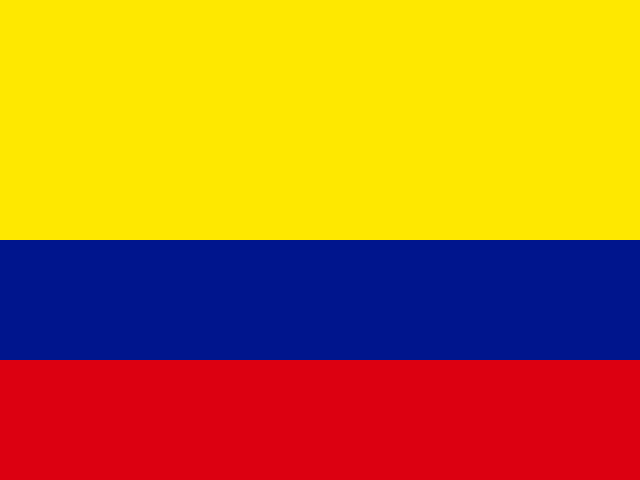
Colombia's DIAN administers federal tax. Personal income tax uses UVT-indexed progressive brackets of 0% through 39%. Corporate tax is 35% standard, with a 5-point surcharge on the financial sector. IVA is 19% standard, 5% reduced. Colombia has roughly 14 active DTAs — but no full DTA with the United States. Colombia joined the OECD in 2020 and is a founding Pacific Alliance member.
Tax authority: Dirección de Impuestos y Aduanas Nacionales (DIAN)
Corporate: 35% (source, as of 2026-11-14) · Income tax: 39% (source, as of 2026-11-14) · VAT / GST: 19% (source, as of 2026-11-14)
Costa Rica
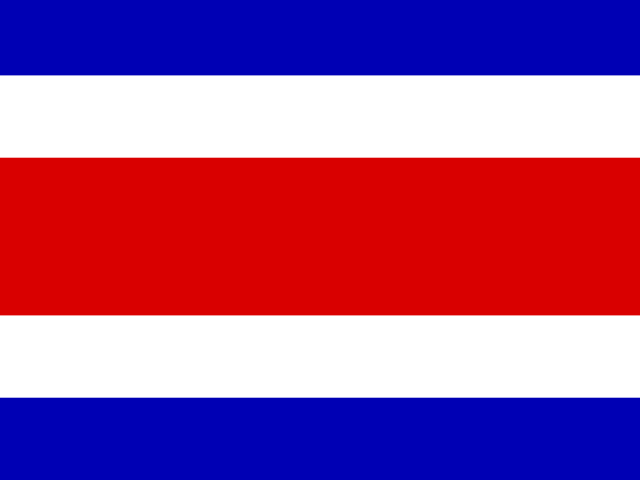
Costa Rica's Direccion General de Tributacion (DGT) administers a progressive personal income tax with five brackets topping at 25%, a 30% standard corporate rate (SME tiers from 5%), and IVA (VAT) at 13% under the 2019 Ley 9635 reform. Costa Rica joined the OECD in 2021 — the first Central American member. The Costa Rican Colon (CRC) is the legal currency; USD is widely accepted in commerce. Costa Rica abolished its army in 1948 — the most stable democracy in Central America.
Tax authority: Dirección General de Tributación (DGT)
Income tax: 25% (source, as of 2026-11-14) · VAT / GST: 13% (source, as of 2021-07-02)
Cuba
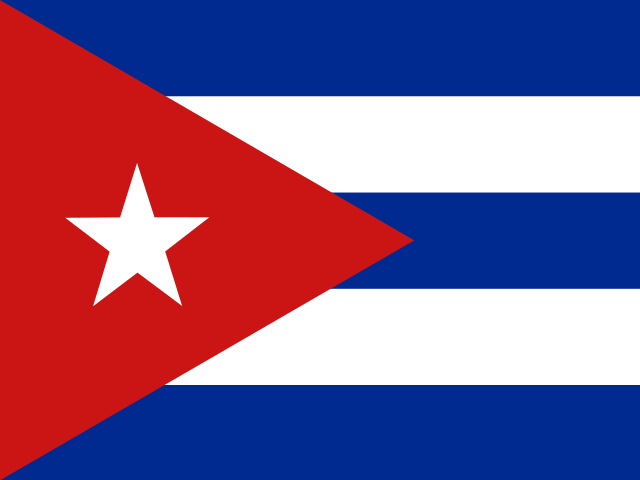
Cuba's Oficina Nacional de Administración Tributaria (ONAT) administers a progressive personal income tax running 15%–50% for self-employed earners (cuentapropistas and MIPYME private firms). State-enterprise and mixed-capital corporate tax is 35%. Cuba has no traditional VAT — an Impuesto sobre las Ventas (ITS) applies on selected goods and services at variable rates. The treaty network covers roughly 13 bilateral agreements; the US–Cuba trade embargo since 1962 (Helms-Burton Act 1996, OFAC) makes a US DTA legally impossible. Cuba's 2021 monetary unification ended the dual-currency CUP/CUC system.
Tax authority: Oficina Nacional de Administración Tributaria (ONAT)
Curaçao
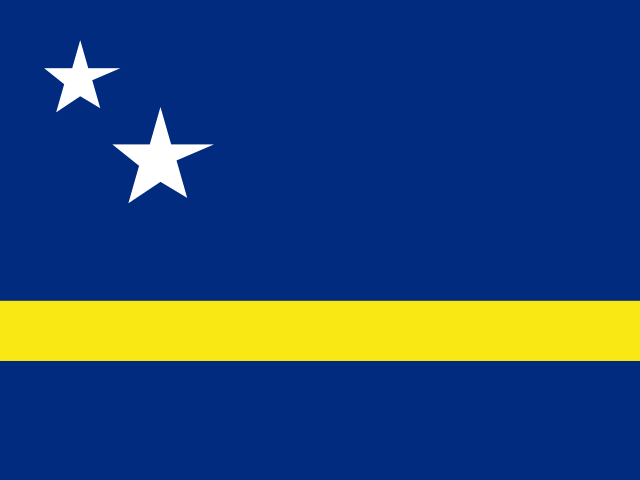
Curaçao's Belastingdienst administers personal income tax at progressive rates of 9.75% to 40% across five brackets, corporate income tax at 22% standard, and OB (Omzetbelasting) turnover tax at 6%. Constituent country of the Kingdom of the Netherlands since October 10, 2010. The Netherlands Antillean Guilder (ANG) is pegged at USD 1.79 — the same rate as the Aruba Florin but a distinct currency. Curaçao operates as a captive-insurance and offshore-finance hub subject to post-2018 OECD substance reforms.
Tax authority: Belastingdienst Curaçao
Dominica
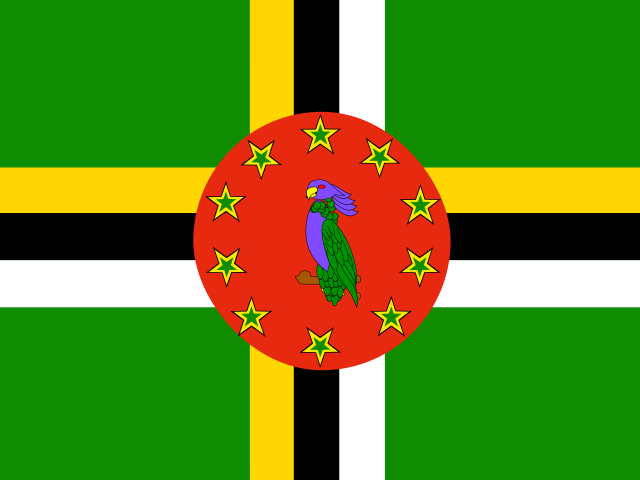
Dominica's Inland Revenue Division administers personal income tax at progressive 15/25/35 percent across three bands and corporate income tax at 25 percent flat. VAT is 15 percent. CARICOM, OECS, ECCU, CARIFORUM, and AfCFTA-observer member. Citizenship-by-Investment Programme established 1993 — one of the oldest such programmes in the world. XCD pegged to USD at 2.70 under the ECCB Eastern Caribbean Currency Union.
Tax authority: Inland Revenue Division (Dominica)
Dominican Republic
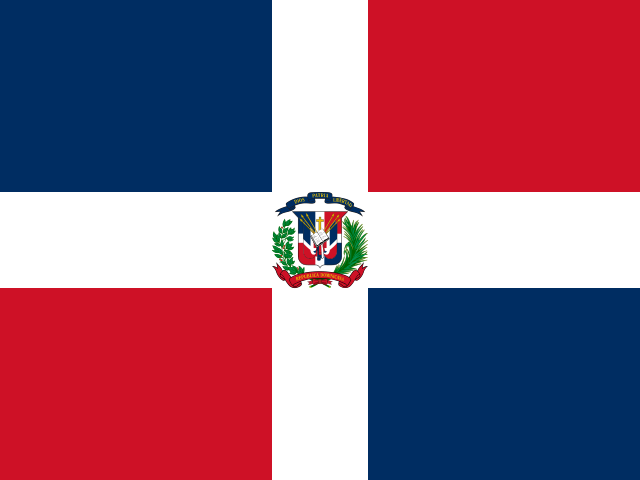
Dominican Republic's Dirección General de Impuestos Internos (DGII) administers progressive personal income tax at 0%, 15%, 20%, and 25% (brackets indexed annually), corporate income tax (ISR) at 27%, and ITBIS (VAT) at 18% standard. The DR is the most populous Caribbean nation at ~11 million, runs one of Latin America's largest Free Zone export-manufacturing frameworks, and has only 3 active double-tax treaties — with no US-DR income-tax treaty despite CAFTA-DR trade links since 2007.
Tax authority: Dirección General de Impuestos Internos (DGII)
Ecuador
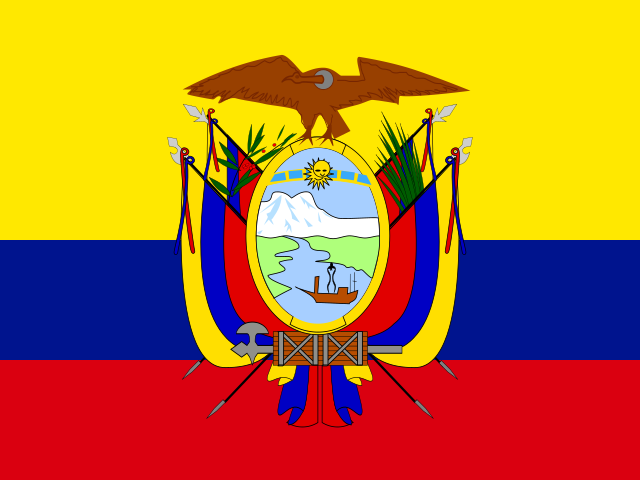
Ecuador's Servicio de Rentas Internas (SRI) administers personal income tax at progressive 0–37% across ten brackets, corporate income tax at 25% (22% reduced for SMEs under the RIMPE regime), and IVA at 15% (raised from 12% on 1 April 2024). Ecuador has used the US Dollar as its official currency since January 2000 — one of only three sovereign Latin American economies that are fully dollarized.
Tax authority: Servicio de Rentas Internas (SRI)
El Salvador
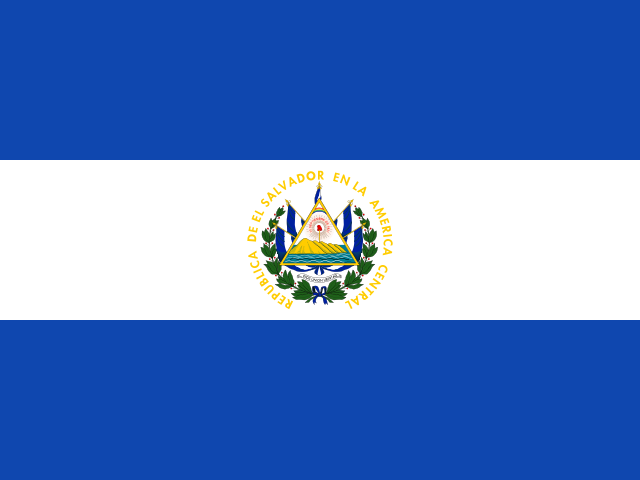
El Salvador's Direccion General de Impuestos Internos (DGII) administers personal income tax at progressive 0/10/20/30 percent across four bands, corporate income tax (Impuesto sobre la Renta, ISR) at 30 percent (with 25 percent reduced rate for SMEs above specified thresholds), and IVA (VAT) at 13 percent. El Salvador adopted Bitcoin as legal tender on 7 September 2021 alongside the US dollar, making it the world reference for sovereign cryptoasset adoption.
Tax authority: Ministerio de Hacienda — Dirección General de Impuestos Internos (DGII El Salvador)
Falkland Islands
Falkland Islands tax, 2026: the FIG Treasury and Customs Department taxes personal income at 21% on the first GBP 18,000 above a GBP 16,860 personal allowance, then 26% above that; corporation tax mirrors this at 21% up to GBP 500,000 profit and 26% above (oil and mineral exploration profits are taxed flat at 26% regardless of size); there is no VAT, only customs duty; and residents pay a flat GBP 47.80 weekly Retirement Pension Scheme contribution once earnings pass GBP 386.40 a week. The UK is the Falklands' only full double-taxation treaty partner, in force since 1997.
Tax authority: Falkland Islands Revenue Service
French Guiana
French Guiana is a French overseas department (DOM — Département d'Outre-Mer) and an EU outermost region. French national tax law applies in full: progressive PIT at 0/11/30/41/45%, corporate IS at 25%, and a distinctive DOM-reduced TVA standard rate of 8.5% (versus 20% on the French mainland). The tax authority is DGFiP via the Guyane direction. French Guiana accesses France's ~120 bilateral DTA network, including the US-France convention. The Centre Spatial Guyanais (CSG) at Kourou — Europe's main spaceport for Arianespace and ESA — is the territory's most distinctive economic institution.
Greenland
Greenland (Kalaallit Nunaat) is a self-governing constituent country within the Kingdom of Denmark. Skattestyrelsen Greenland administers personal income tax at progressive combined rates of roughly 36–44 percent (state component plus municipal). Corporate tax is 30–35 percent. Greenland has no general VAT — excise and import duties apply instead. Greenland left the EEC (now EU) in 1985 following a 1982 referendum — the first territory ever to withdraw — and maintains a separate EU fisheries-partnership framework. Currency is the Danish Krone (DKK) directly. Treaty coverage flows primarily via Denmark's Kingdom network, including the Nordic Tax Convention.
Tax authority: Skattestyrelsen Grønland (NISA)
Grenada
Grenada's Inland Revenue Division (IRD) administers a progressive personal income tax at 10%, 28%, and 30% across three bands. Corporate income tax is 30% flat. VAT is 15%. Grenada operates one of the Caribbean's longest-running Citizenship-by-Investment programmes (since 2013), is the world's second-largest nutmeg producer, and participates in the ECCB's DCash CBDC pilot. Around 5 active tax treaties including the CARICOM multilateral convention and a bilateral with the UK.
Tax authority: Inland Revenue Division (Grenada)
Guadeloupe
Guadeloupe is a French overseas department (DOM) and EU outermost region. It follows the full French progressive income tax system (0/11/30/41/45%) and French corporate tax at 25%. The key DOM distinction is TVA at a reduced 8.5% standard rate (versus 20% on the French mainland). Octroi de mer, a DOM-specific import levy, also applies. France's ~120 double tax treaties extend to Guadeloupe via DOM inclusion.
Guatemala
Guatemala's Superintendencia de Administracion Tributaria (SAT) administers the tax system. Personal income tax uses two parallel regimes: Employment (Rentas del Trabajo) at 5%/7% progressive, and Lucrative-Activity optativo at 25% on net profit or sobre ingresos at 5/7% on gross. Corporate ISR mirrors that dual-regime structure. IVA (VAT) is 12%. Guatemala has approximately one active bilateral double-tax treaty (Mexico) — one of the smallest DTA networks in Latin America. Territorial-source taxation applies: residents and non-residents pay tax only on Guatemalan-source income.
Tax authority: Superintendencia de Administración Tributaria (SAT)
Guyana
Guyana's Guyana Revenue Authority (GRA) administers a progressive personal income tax at 28% and 40% across two bands. Corporate tax is 25% for commercial companies and 40% for non-commercial entities (banking, insurance, telecoms). Petroleum companies operate under production-sharing agreements separate from the standard CIT. VAT is 14%. The country has approximately 8 active double-tax treaties. Guyana is the only English-speaking country in South America, a CARICOM and CARIFORUM member, and since 2019 one of the world's fastest-growing economies driven by offshore oil production.
Tax authority: Guyana Revenue Authority (GRA)
Haiti
Haiti's Direction Générale des Impôts (DGI) runs the tax system under the Ministère de l'Économie et des Finances. Personal income tax (IRP) is progressive at 0% through 30% across five bands. Corporate tax (IS) is 30% flat. TCA (Taxe sur le Chiffre d'Affaires) is 10% — a turnover-tax framework, not a credit-method VAT. Haiti's fiscal year runs October 1 to September 30 — a non-calendar year. The bilateral treaty network is essentially zero. Haiti is a CARICOM member and the world's first independent Black republic (1804). It shares the island of Hispaniola with the Dominican Republic.
Tax authority: Direction Générale des Impôts (DGI Haiti)
Honduras
Honduras's Servicio de Administracion de Rentas (SAR) runs the tax system. Personal income tax is progressive at 15%, 20%, and 25% across four brackets above an exempt threshold. Corporate tax is 25% plus a 5% Aportacion Solidaria surcharge, reaching 30% effective for higher-income entities. ISV (sales tax) is 15% standard. Honduras has virtually no bilateral tax treaties and is not an OECD member. The ZEDE special-zone framework was repealed in 2022 with ongoing investor arbitration.
Tax authority: Servicio de Administración de Rentas (SAR)
Jamaica
Jamaica's Tax Administration Jamaica (TAJ) runs the tax system. Personal income tax is 25% or 30% with a JMD 1,500,096 tax-free allowance. Corporate tax is 25% (33⅓% for regulated companies like banks and telecoms). GCT is 15%. Jamaica has 16 active double tax treaties and runs JAM-DEX, the first central bank digital currency in the Caribbean.
Tax authority: Tax Administration Jamaica (TAJ)
Income tax: 30% (source, as of 2026-11-14) · VAT / GST: 15% (source, as of 2020-04-01)
Martinique
Martinique is a French overseas department (DOM) fully integrated into the French Republic. Metropolitan French income-tax law applies with DOM-specific modifications: a 30% reduction on the first EUR 5,100 of tax due, reduced TVA at 8.5% standard (vs 20% in metropolitan France), plus Defiscalisation Outre-Mer incentives (Girardin Industriel, Girardin Logement, LODEOM). Octroi de Mer sea-tax applies on imports on top of TVA. DGFiP administers via impots.gouv.fr. France's full DTA network of ~125 treaties covers Martinique residents as French tax residents.
Mexico
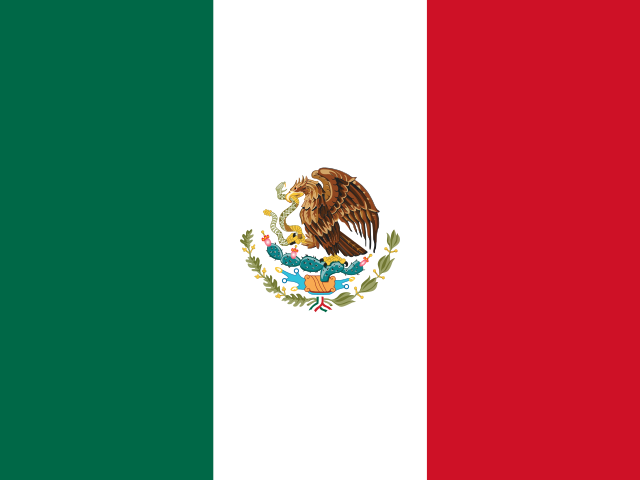
SAT administers Mexican federal tax. Tax year is the calendar year; the annual ISR return for individuals is due by 30 April. Residents are taxed on worldwide income at progressive rates from 1.92 percent to 35 percent across 11 brackets. Corporate ISR is 30 percent flat. IVA is 16 percent standard with an 8 percent reduced rate in northern and southern border zones.
Tax authority: Servicio de Administración Tributaria (SAT)
Corporate: 30% (source, as of 2026-11-14) · Income tax: 35.00% (source, as of 2026-11-14) · VAT / GST: 16% (source, as of 2026-11-14)
Montserrat
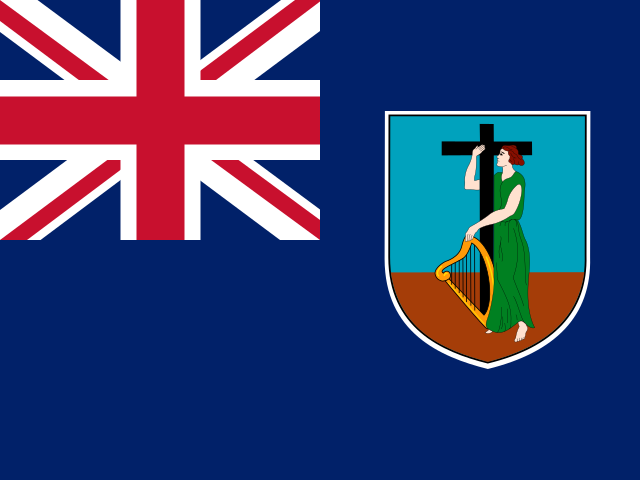
Montserrat's Inland Revenue Department runs a progressive personal income tax (0% to 30%) and a 30% corporate tax. There is no VAT — a 5% Sales Tax applies instead. Montserrat is a UK British Overseas Territory and OECS member using the Eastern Caribbean Dollar pegged at USD 2.70 via the ECCB 8-state currency union. The 1995–97 Soufrière Hills volcanic eruption destroyed Plymouth (the legal capital) and reduced the population from roughly 13,000 to about 4,400 today.
Tax authority: Inland Revenue Department (Montserrat)
Nicaragua
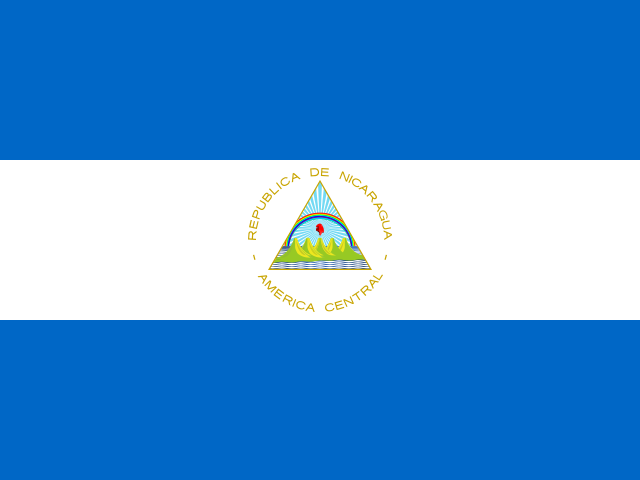
Nicaragua's Direccion General de Ingresos (DGI) administers personal income tax at progressive 0/15/20/25/30 percent across five bands on annual net income, corporate income tax (IR de Empresas) at 30 percent, and IVA at 15 percent. A monthly Pago Minimo Definitivo (PMD) of 3 percent of gross revenue applies as a minimum corporate tax floor regardless of net profit. The treaty network is almost nonexistent — CAFTA-DR provides trade access but is not a double taxation agreement. Free Trade Zones enjoy 0 percent CIT for 10 years under Law 382.
Tax authority: Dirección General de Ingresos (DGI Nicaragua)
Panama
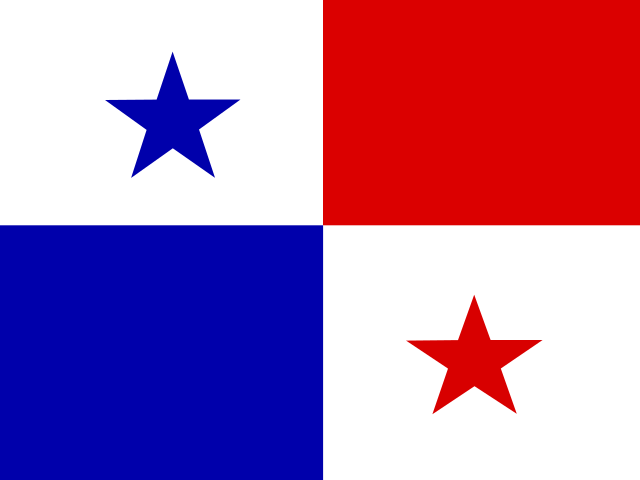
Panama's Direccion General de Ingresos administers a strict territorial tax system — both residents and non-residents pay ISR only on Panama-source income, making it the standout financial centre in Central America, with a 25% standard CIT, a CAIR minimum-tax floor for large businesses, ITBMS VAT at 7%, and roughly 17 active double-tax agreements.
Tax authority: Dirección General de Ingresos (DGI Panamá)
Corporate: 25% (source, as of 2026-11-14) · Income tax: 25% (source, as of 2026-11-14) · VAT / GST: 7% (source, as of 2010-07-01)
Paraguay
Paraguay's Subsecretaria de Estado de Tributacion (SET) administers personal income tax (IRP) at progressive 8/9/10 percent across three bands, corporate income tax (IRE) at 10 percent (one of LatAm's lowest), and IVA (VAT) at 10 percent standard with 5 percent reduced. Territorial-source taxation under post-2019 Ley 6380 reform.
Tax authority: Subsecretaría de Estado de Tributación (SET)
Peru
Peru's SUNAT administers a six-band UIT-indexed personal income tax (0–30%), a 29.5% general CIT with tiered SME and agribusiness reductions, and an 18% IGV (VAT) augmented by the unique Sistema de Detracciones anti-fraud deposit mechanism, across a calendar year with RUC-staggered filing deadlines.
Tax authority: Superintendencia Nacional de Aduanas y de Administración Tributaria (SUNAT)
Puerto Rico
Puerto Rico's Departamento de Hacienda administers personal income tax at progressive 0/7/14/25/33 percent across five bands (separate from US federal income tax for bona fide residents under IRC §933), corporate income tax at progressive 18.5/25 percent, and IVU (Sales and Use Tax) at 11.5 percent. Puerto Rico is a US Commonwealth.
Tax authority: Departamento de Hacienda de Puerto Rico (Hacienda)
Saint Barthélemy
Saint Barthélemy is a French overseas collectivity (collectivité d'outre-mer, COM) with a distinctively light tax framework. Residents who have lived on the island for five or more years pay no personal income tax and no corporate income tax. New arrivals complete a five-year qualifying period during which French personal income tax continues to apply. There is no mainland French VAT (TVA); the island levies a small import duty of approximately 5% as its primary revenue source. The Euro is legal tender despite Saint Barthélemy's OCT status outside the EU. Treaty coverage flows indirectly via the French treaty network.
Saint Kitts and Nevis
Saint Kitts and Nevis levies NO personal income tax on residents — one of the cleanest zero-PIT regimes globally. Corporate income tax runs at 33% flat. VAT is 17% (10% for hotels). The federation runs the world's oldest Citizenship-by-Investment programme (est. 1984, reformed 2024). The Eastern Caribbean Dollar (XCD) is pegged to USD at 2.70 via the ECCB common-currency union. Nevis Island has its own LLC asset-protection framework distinct from Saint Kitts federal law. Active treaty network of ~6 bilateral DTAs plus the CARICOM multilateral convention.
Tax authority: Inland Revenue Department (St Kitts and Nevis)
Saint Lucia
Saint Lucia's Inland Revenue Department runs a progressive personal income tax (10% / 15% / 30%) with an XCD 18,400 personal allowance. Corporate income tax is 30% flat (IBC framework reformed 2019 under Economic Substance rules). VAT is 12.5% (reduced from 15% on 1 November 2017). The Eastern Caribbean Dollar (XCD) has been pegged to the USD at 2.70 since 1976 within the ECCB 8-state currency union. Saint Lucia is an OECS, CARICOM, ECCU, CARIFORUM, and Commonwealth member running a Citizenship by Investment programme since 2015.
Tax authority: Inland Revenue Department (Saint Lucia)
Saint Martin (French part)
Saint-Martin (French side) sets its own taxes. EU VAT does not apply; instead a 4% general turnover tax (TGCA) covers retail sales and services. Income tax runs 0% to 41% (2025 scale), company tax is 20% with 10% on the first EUR 40,000, and people arriving from France or a French DOM stay under French tax for their first five years.
Saint Pierre and Miquelon
Saint Pierre and Miquelon is a French overseas collectivity (COM) with autonomous tax framework: progressive personal income tax under SPM-specific framework, corporate income tax at SPM-specific rate, no VAT.
Saint Vincent and the Grenadines
Saint Vincent and the Grenadines's Inland Revenue Department administers personal income tax at progressive 10/20/30 percent across three bands and corporate income tax at 30 percent flat. VAT at 16 percent. CARICOM, OECS, ECCU, CARIFORUM, and AfCFTA-observer member. International Business Companies framework reformed post-2018 with Economic Substance.
Tax authority: Inland Revenue Department (Saint Vincent and the Grenadines)
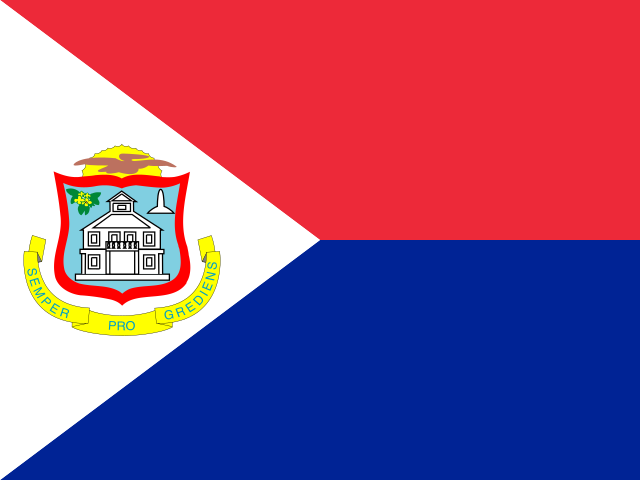
Sint Maarten (Dutch part)
Sint Maarten's Belastingdienst administers personal income tax at progressive rates, corporate income tax at 30 percent (3 percent for ANG profit-sourced from limited categories), and TOT (turnover tax) at 5 percent.
Tax authority: Inspectie der Belastingen Sint Maarten
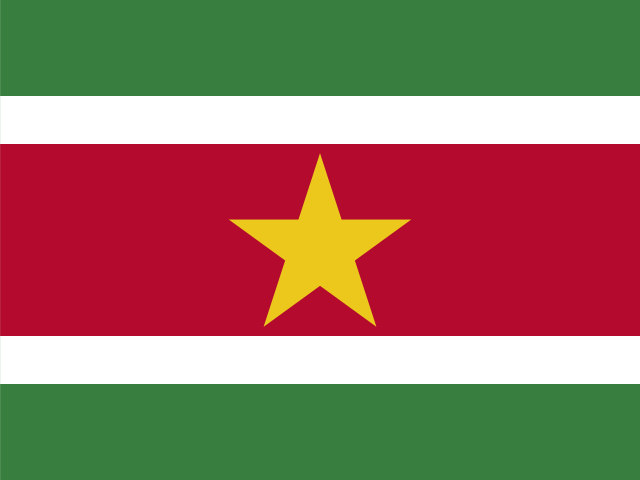
Suriname
Suriname's Belastingdienst (Tax Department) administers personal income tax at progressive 8/14/24/36 percent across multiple bands and corporate income tax at 36 percent flat. VAT at 10 percent (effective 1 January 2023 replacing prior turnover tax). CARICOM, CARIFORUM, AfCFTA-observer, and Dutch-language-tradition member. Block 58 petroleum-sector emerging framework critical for cross-border tax planning.
Tax authority: Belastingdienst Suriname
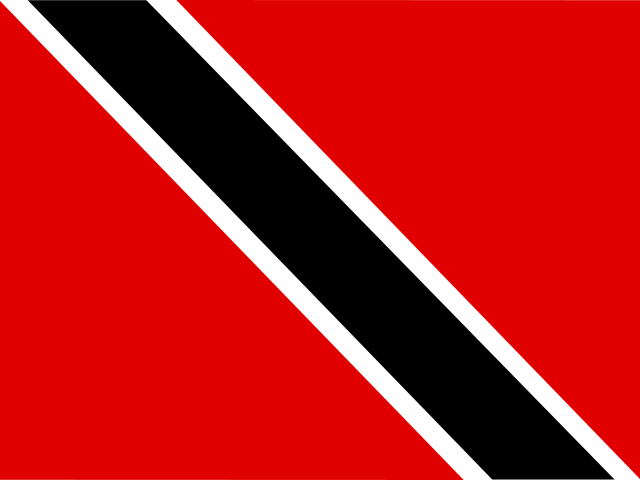
Trinidad and Tobago
Trinidad and Tobago's Inland Revenue Division administers personal income tax at progressive 25/30 percent across two bands and corporate income tax at 30 percent flat (35 percent for petrochemicals; 50/55 percent for petroleum); Petroleum Profits Tax and Supplemental Petroleum Tax framework under Petroleum Taxes Act. VAT at 12.5 percent. CARICOM, CARIFORUM, and AfCFTA-observer member. Petroleum-and-natural-gas-export economy with significant elevated-framework complexity.
Tax authority: Board of Inland Revenue (BIR Trinidad and Tobago)
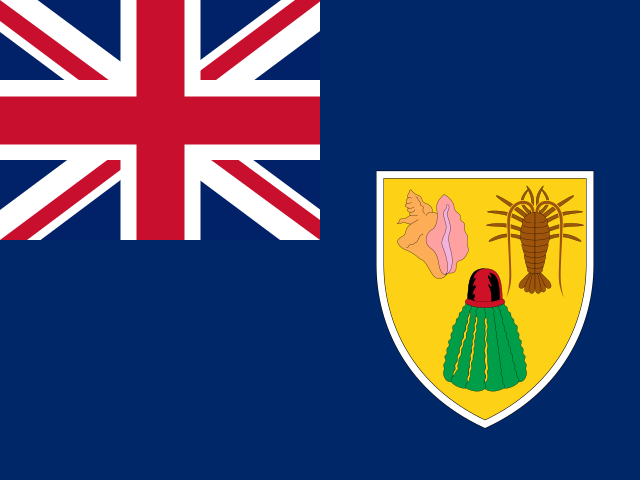
Turks and Caicos Islands
Turks and Caicos operates as a no-direct-tax jurisdiction with no personal or corporate income tax. Public-sector revenue is import duties + Hotel and Restaurant Tax + work-permit fees.
Tax authority: Revenue Department (Turks and Caicos Islands)
United States
The IRS runs US federal tax. The tax year is the calendar year. The personal filing deadline is 15 April with a six-month extension available. Citizens and resident aliens pay tax on worldwide income at graduated rates from 10% to 37%. Corporations pay a flat 21% federal rate. There is no federal VAT — sales tax is set state by state. The US has roughly 70 bilateral tax treaties.
Tax authority: Internal Revenue Service (IRS) · Deadline: US individual income tax return,
Corporate: 21% (source, as of 2026-11-14) · Income tax: 37% (source, as of 2026-11-14)
United States Virgin Islands
US Virgin Islands' Bureau of Internal Revenue administers a mirror US-IRC framework with USVI-specific modifications. Plus Economic Development Commission (EDC) Beneficiary framework provides preferential treatment for qualifying activities. US territory.
Tax authority: Virgin Islands Bureau of Internal Revenue (VIBIR)
Uruguay
Uruguay's Direccion General Impositiva (DGI) administers personal income tax (Impuesto a las Rentas de las Personas Fisicas, IRPF) at progressive 0-36 percent across eight bands, corporate income tax (Impuesto a las Rentas de las Actividades Economicas, IRAE) at 25 percent, and IVA (VAT) at 22 percent standard with 10 percent reduced. Uruguay operates on a territorial-source taxation model with tax-residency-acquisition-incentive regime for inbound HNW individuals.
Tax authority: Dirección General Impositiva (DGI Uruguay)
Venezuela
Venezuela's Servicio Nacional Integrado de Administracion Aduanera y Tributaria (SENIAT) administers personal income tax at progressive 6-34 percent across eight UT-indexed bands, corporate income tax at progressive 15/22/34 percent across three brackets, and IVA (VAT) at 16 percent (with surcharges of up to 25 percent on luxury goods/services). Tax obligations are denominated in Unidad Tributaria (UT) which the executive periodically re-bases against inflation.
Tax authority: Servicio Nacional Integrado de Administración Aduanera y Tributaria (SENIAT)


 Brazil




 Nicaragua

Does Anguilla have personal income tax?
No. Anguilla has no personal income tax, no capital gains tax, no inheritance tax, no gift tax, and no wealth tax. Public revenue comes entirely from indirect taxes: stamp duty 5%, import duties 0-20%, accommodation tax 10%, and communications tax 5%.
Who is the Antigua and Barbuda tax authority?
Inland Revenue Department (IRD), under the Ministry of Finance and Corporate Governance. IRD operates under the Income Tax Act Cap 212 and the ABST Act 2007. The IRD website is ird.gov.ag.
Who is the tax authority in Argentina?
ARCA (Agencia de Recaudacion y Control Aduanero) — established October 2024 by Decreto 953/2024 to replace AFIP — administers federal tax, customs, and federal social-security collection. Provincial tax administrations handle Ingresos Brutos, Sellos, and Impuesto Inmobiliario. The Tribunal Fiscal de la Nacion and federal courts handle disputes. FACPCE coordinates Contador Publico regulation.
What is the Aruba corporate tax rate?
The standard Vennootschapsbelasting (VPB) rate is 25%. Qualifying Imputation Pass-through Company (IPC) activities — primarily international holding, financing, and financial-services operations — benefit from a 0% effective rate. Aruba Free Zone entities operate under separate incentive rules.
Who is the Bahamian tax authority?
Department of Inland Revenue (DIR), under the Ministry of Finance. DIR administers VAT, Business Licence Fees, and the new Pillar Two QDMTT levy under the Domestic Minimum Top-up Tax Act 2024.
Who is the Barbadian tax authority?
Barbados Revenue Authority (BRA) under BRA Act 2014, under the Ministry of Finance, Economic Affairs and Investment.
Last updated · Changes to this page
TaxProsRated is a product line developed, operated and managed by Aurum Transfers Limited.